


 En
En English
 русский
 Español
 عربى
عربى
Why Choose an Advanced Electric Passenger Lift for Modern Infrastructure?
Posted by Admin | 08 Jan
Content
- 1 Sustainability and Efficiency in Vertical Transit
- 2
- 3 Architectural Integration: Optimizing Shaft Space
- 4 Safety First: Comprehensive Protection Systems
- 5 Planning and Procurement for Commercial Projects
- 6 FAQ
- 6.1 What is the primary benefit of a machine roomless (MRL) lift?
- 6.2 How much energy can a modern electric lift actually save?
- 6.3 What happens if the power goes out while I am in the lift?
- 6.4 Can electric lifts fit into very small or existing shafts?
- 6.5 Is the wholesale price significantly different for high-rise vs low-rise lifts?
The vertical transportation landscape is undergoing a radical transformation as urbanization intensifies and sustainability becomes a core architectural requirement. At the center of this evolution is the electric passenger lift, a sophisticated system that has moved far beyond simple mechanical pulleys to become a data-driven, energy-efficient asset for modern buildings. Unlike older hydraulic models that require large oil reservoirs and high energy consumption, modern electric traction elevators utilize Permanent Magnet Synchronous Motors (PMSM) and variable-frequency drives to provide smoother, quieter, and faster travel. As we move into 2026, the focus for developers and engineers is no longer just on moving people from point A to point B, but on optimizing the building’s overall traffic flow and reducing its carbon footprint through advanced motor technology and intelligent control systems. Choosing the right lift system is now a strategic investment that directly impacts property valuation and tenant satisfaction.
- Technological Shift: Transition from high-friction geared systems to gearless PMSM technology for 30% noise reduction.
- Operational Smoothness: Implementation of VVVF (Variable Voltage Variable Frequency) control for jerk-free acceleration and deceleration.
- Urban Compliance: Alignment with the latest smart city initiatives focusing on low-emission vertical transit solutions.
- User Experience: Enhanced cabin aesthetics combined with tactile or touchless interfaces for a premium ride quality.
Sustainability and Efficiency in Vertical Transit
Energy management has become a decisive factor for real estate developers looking to achieve LEED or BREEAM certifications. An energy efficient electric passenger lift for residential buildings is engineered to consume power only when in motion and to feed energy back into the building’s grid via regenerative drives. During descent or braking, the motor acts as a generator, converting kinetic energy into electricity. According to the 2025 ISO technical update on elevator energy performance, modern traction systems can achieve an 'A-class' energy rating, reducing building electricity costs by up to 40% compared to legacy systems installed two decades ago. This efficiency is further bolstered by LED lighting and standby modes that deactivate fans and displays when the lift is idle.
Source: ISO 25745 - Energy Performance of Lifts and Escalators
- Regenerative Braking: Captures wasted energy during braking and reuses it for lighting or other building systems.
- Standby Efficiency: Smart sensors that power down the cabin during low-traffic hours to minimize "phantom" energy loss.
- Eco-Friendly Lubrication: Use of high-durability synthetic lubricants that require less frequent replacement and reduce environmental impact.
- Lighter Materials: Utilization of high-strength, lightweight alloys in the car frame to reduce the counterweight requirements.
| Energy Feature | Hydraulic/Legacy Systems | Energy efficient electric passenger lift |
| Power Generation | None (Pure Consumption) | Regenerative Drive (Returns Energy) |
| Annual Energy Saving | Baseline | 35% - 50% Reduction |
| Oil Usage | High (Potential for Leaks) | Minimal to Zero (Gearless Traction) |
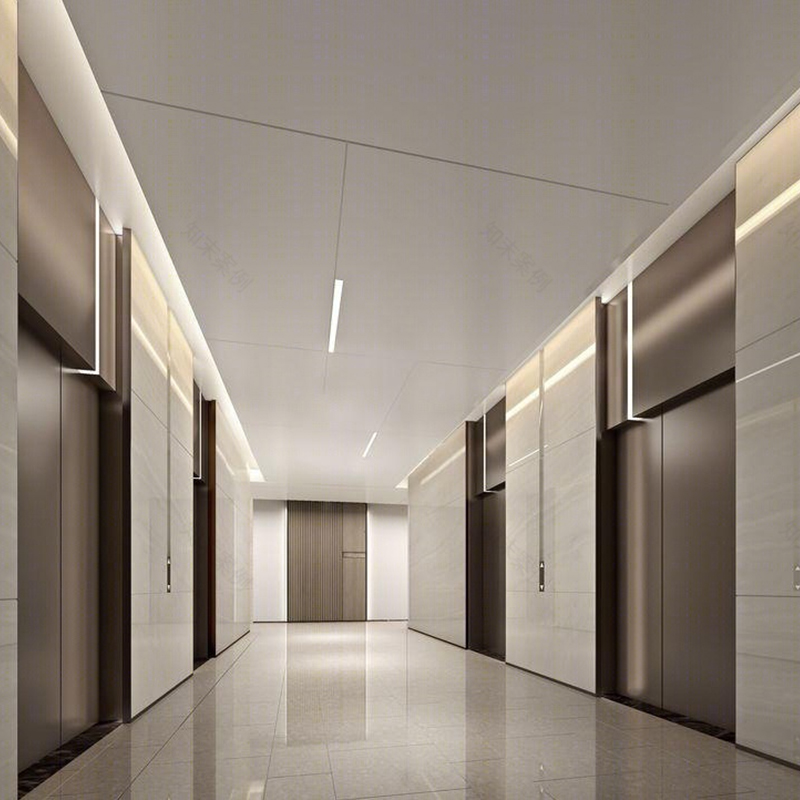
Architectural Integration: Optimizing Shaft Space
In the past, the necessity of a dedicated machine room atop the elevator shaft often restricted architectural creativity and increased construction costs. However, following the machine roomless electric passenger lift installation guide, modern developers are now reclaiming that rooftop space for penthouses or communal gardens. Machine Roomless (MRL) technology places the compact gearless motor directly inside the hoistway, mounted on the guide rails or a support beam. This engineering feat not only saves square footage but also simplifies the structural requirements of the building, as the load is distributed more efficiently. For architects, this means the elevator can now reach the highest possible floor without needing a protruding "hat" on the building's roofline.
- Compact Design: Eliminates the need for a separate room, reducing total construction materials and labor.
- Flexible Placement: Allows for elevator installation in buildings with strict height restrictions or heritage facades.
- Structural Efficiency: Reduces the heavy load-bearing requirements on the roof slab by moving the motor into the shaft.
- Maintenance Access: Designed so all mechanical parts are accessible from the top of the car or through small access panels.
| Spatial Requirement | Traditional Traction Lift | Machine roomless electric passenger lift |
| Dedicated Room | Required (Top or Bottom) | Not Required (Motor in Shaft) |
| Shaft Top Clearance | Extensive | Compact / Minimal |
| Leasable Space | Reduced by Machine Room | Maximally Optimized |
Safety First: Comprehensive Protection Systems
Safety is the most critical metric for any vertical transportation system, and modern electric passenger lift safety features and emergency systems have reached a level of redundancy that makes elevators the safest form of travel. Systems now include multi-layer electronic curtains that prevent doors from closing on passengers, and advanced Automatic Rescue Devices (ARD) that ensure the lift reaches the nearest floor during a power outage. Our manufacturing standards strictly adhere to EN 81-20 and EN 81-50, which are the global benchmarks for elevator safety. Furthermore, the integration of Internet of Things (IoT) sensors allows for real-time diagnostic monitoring, where the lift can "self-report" potential component wear before a fault even occurs, enabling proactive maintenance that ensures 99.9% uptime.
- Automatic Rescue Device (ARD): Battery-powered backup that safely brings the cabin to a floor in a blackout.
- Over-speed Governor: Mechanical safety gears that grip the guide rails if the lift exceeds rated speed.
- Fire-Rated Materials: Landing doors and cabin interiors designed to withstand heat and prevent smoke spread.
- Bidirectional Communication: Voice and visual emergency links directly to monitoring centers for passenger reassurance.
| Safety Component | Standard Requirement | Advanced Modern Standard |
| Emergency Power | Basic Alarm | Battery Backup with Floor Leveling (ARD) |
| Door Protection | Mechanical Safety Edge | Infrared 3D Light Curtains |
| Maintenance Type | Reactive (Fix when broken) | Predictive (IoT Monitoring) |
Planning and Procurement for Commercial Projects
When managing large-scale developments, procurement managers must analyze the wholesale electric passenger lift price for commercial projects against the long-term operational expenditure (OPEX). While the initial capital investment for high-speed, gearless systems is higher than basic models, the reduction in maintenance and energy bills creates a superior return on investment (ROI). Additionally, for projects with limited footprints, understanding modern electric passenger lift dimensions for small shafts is vital. Precision engineering now allows for higher capacity cabins in shafts that were previously only suitable for small service lifts, effectively increasing the building's peak-hour traffic capacity without altering the core structure. Our company provides bespoke sizing and wholesale consulting to ensure every lift is a perfect fit for the client's specific hoistway geometry.
- Custom Dimensions: Tailored cabin sizes to fit non-standard or heritage shafts.
- B2B Pricing: Scalable wholesale packages for multi-unit residential or hotel developments.
- Compliance Advisory: Assistance in meeting local building codes and accessibility standards (ADA/DAA).
- Project Lifecycle Support: From initial shaft survey to final commissioning and long-term service contracts.
FAQ
What is the primary benefit of a machine roomless (MRL) lift?
The main advantage of following a machine roomless electric passenger lift installation guide is the significant saving of building space. By placing the motor in the hoistway, developers can use the space previously reserved for a machine room for more profitable purposes, such as an extra apartment or rooftop amenities, while also reducing structural costs.
How much energy can a modern electric lift actually save?
An energy efficient electric passenger lift for residential buildings can save between 30% and 50% of electricity compared to older models. This is achieved through regenerative drives that return energy to the building and gearless motors that operate with much higher mechanical efficiency than geared alternatives.
What happens if the power goes out while I am in the lift?
Modern electric passenger lift safety features and emergency systems include an Automatic Rescue Device (ARD). This system uses a backup battery to automatically move the elevator to the closest floor and open the doors, preventing passengers from being trapped during a utility failure.
Can electric lifts fit into very small or existing shafts?
Yes, modern electric passenger lift dimensions for small shafts are highly flexible. Because the motors are now more compact and the control systems are miniaturized, we can often install a higher-capacity lift into an existing shaft that previously held a much smaller, slower elevator.
Is the wholesale price significantly different for high-rise vs low-rise lifts?
The wholesale electric passenger lift price for commercial projects varies based on travel height, speed, and capacity. High-rise lifts require more robust rail systems and high-speed motors, but bulk orders for residential complexes often allow for significant cost-per-unit reductions through standardized components and streamlined installation.
-
 Founding Road, Qidu Linhu Economic Zone, Wujiang City, Jiangsu Province, China
-
 [email protected]
-
 +86 15301576876/+86 0512-63818375
QR CODE

