


 En
En English
 русский
 Español
 عربى
عربى
What is a Traction Gantry Sightseeing Elevator?
Posted by Admin | 01 Jan
Content
- 1 Core Engineering and Working Principle
- 2 Architectural Impact and Design Freedom
- 3
- 4 Safety, Compliance, and Reliability
- 5 Economic and Project Planning Considerations
- 6 FAQ
- 6.1 1. How safe is the glass in a panoramic sightseeing elevator?
- 6.2 2. What is the main advantage of traction over hydraulic for a tall sightseeing elevator?
- 6.3 3. What are the most important safety features to look for?
- 6.4 4. How much does a custom-designed elevator add to the cost and timeline?
- 6.5 5. Beyond the equipment price, what are the major cost drivers for installation?
In the world of modern architecture and high-rise design, the elevator has evolved from a purely functional utility into a centerpiece of experience and aesthetic statement. The traction gantry sightseeing elevator stands at the pinnacle of this evolution. Far more than a machine that moves people between floors, it is an integrated engineering system designed to provide breathtaking panoramic views while adhering to the highest standards of safety, speed, and reliability. Commonly found gracing the exteriors of luxury hotels, iconic skyscrapers, communication towers, and upscale shopping malls, this type of elevator combines a robust traction drive system with a stable gantry structure, often encapsulated within a stunning glass wall traction gantry sightseeing elevator cabin. This article provides a comprehensive exploration of its engineering principles, architectural impact, critical safety frameworks, and the practical considerations involved in its specification and installation, addressing key queries such as traction gantry sightseeing elevator safety features and the cost of traction gantry sightseeing elevator installation.
Core Engineering and Working Principle
The term "traction gantry" precisely describes the two fundamental mechanical systems at work. The "traction" drive is the heart of the elevator's movement. It operates on the principle of friction between steel hoist ropes (or flat steel belts) and a grooved drive sheave, which is turned by a high-performance electric machine. The cab and counterweight are suspended on opposite ends of these ropes, balancing each other's load. This elegant configuration means the motor primarily works against friction and imbalance, not the full weight of the cab, resulting in exceptional energy efficiency, especially in tall buildings. The "gantry" refers to the rigid structural frame, typically made of high-strength steel, that forms the cab's skeleton. This gantry provides crucial stability, resisting torsional and lateral forces that can occur during high-speed travel, in windy conditions for exterior installations, or during emergency stops. Unlike simpler designs, the gantry ensures the cab remains perfectly aligned within the hoistway, guaranteeing smooth operation and passenger comfort. This combination allows traction gantry sightseeing elevator systems to achieve speeds and travel heights far beyond the capabilities of alternative technologies like hydraulic systems.
- Traction Drive: Uses an electric machine, sheave, and counterweight system for efficient, high-speed vertical movement over long distances.
- Gantry Structure: A rigid steel framework providing essential stability, alignment, and resistance to environmental forces.
- Energy Efficiency: The counterbalance system significantly reduces the motor's energy requirement compared to direct-lift technologies.
- High-Rise Capability: Engineered for reliable operation in buildings and structures exceeding 50 meters, often reaching several hundred meters.
Architectural Impact and Design Freedom
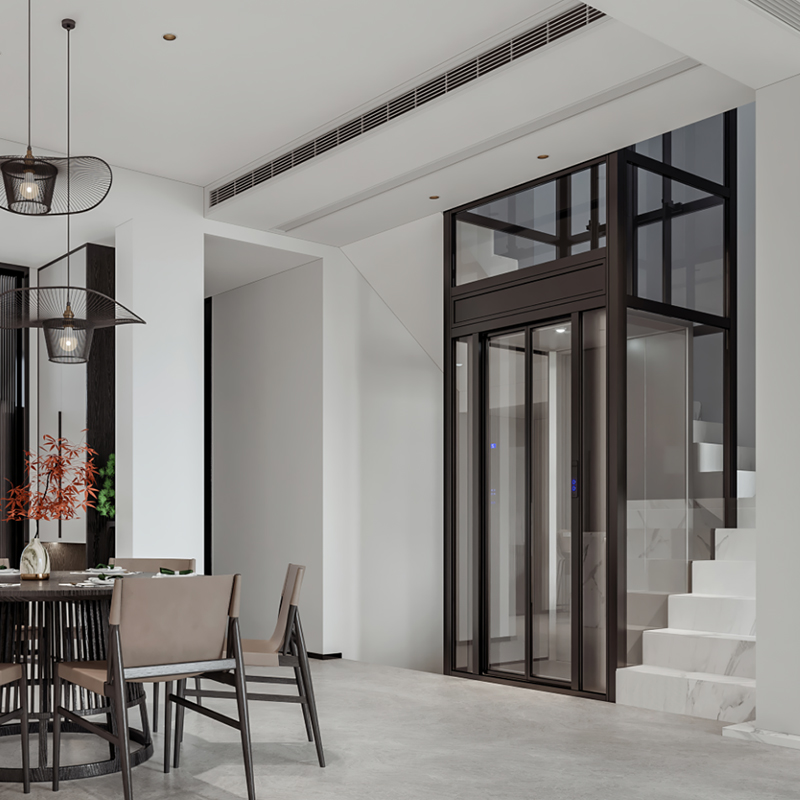
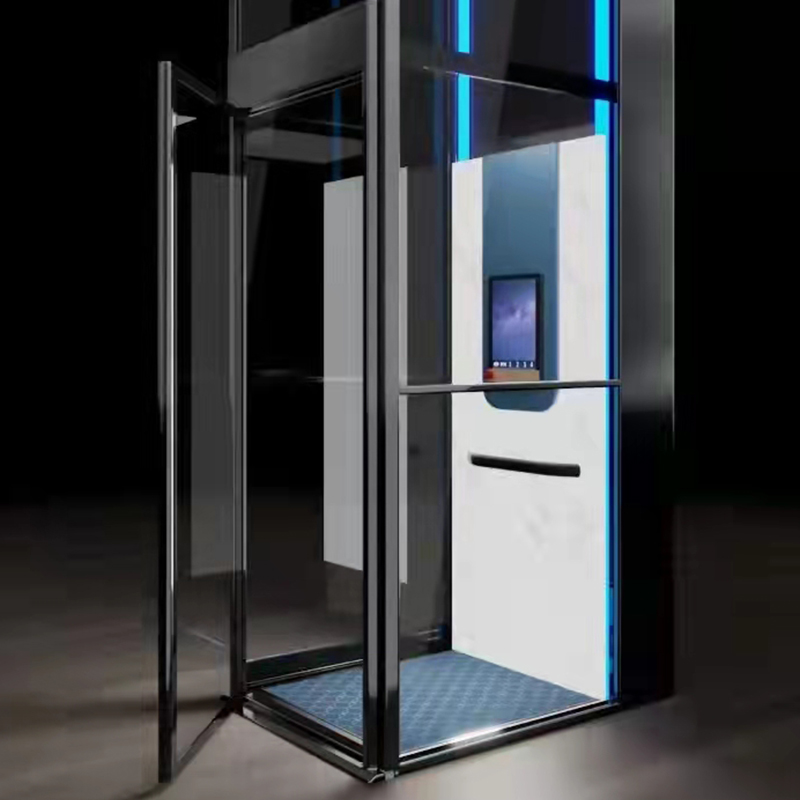
The most visually striking feature of a sightseeing elevator is its cabin, and the industry standard for maximizing view is the glass wall traction gantry sightseeing elevator. This design employs laminated safety glass panels, often with special coatings for thermal insulation and UV protection, to create a transparent or semi-transparent enclosure. The result is an uninterrupted 360-degree panorama that transforms a simple vertical journey into a memorable tourist attraction or a luxurious amenity. Beyond the standard glass cabin, there is immense potential for a custom design traction gantry sightseeing elevator. Architects and developers can collaborate with specialist manufacturers to create cabins in unique shapes (cylindrical, prismatic), incorporate integrated thematic lighting that changes color, use premium interior finishes (brushed metals, specialty woods), or even design the cab's roofline to complement the building's architectural language. This level of customization allows the elevator to become a true extension of the building's brand and design intent, enhancing its iconic status and market appeal.
| Design Element | Standard Offering | Customization Potential |
| Cabin Shape | Rectangular or standard cylindrical. | Polygonal, tapered, or fully bespoke geometric forms. |
| Wall Material | Clear laminated glass. | Tinted, fritted, curved glass; or hybrid metal-glass designs. |
| Interior Finishes | Stainless steel and standard laminate. | Premium metals, real wood veneers, branded carpets, ambient LED lighting systems. |
| Roof Design | Functional flat roof. | Glass dome, architectural cladding matching the building facade. |
Safety, Compliance, and Reliability
Given its public and often exposed nature, a sightseeing elevator is engineered with a multi-layered, redundant safety architecture. The suite of traction gantry sightseeing elevator safety features begins with the core braking systems. A governor continuously monitors speed; if a predefined limit is exceeded, it triggers safety clamps that grip the guide rails to bring the cab to a controlled, mechanical stop independently of the main drive system. Modern installations also include Unintended Car Movement Protection (UCMP), which prevents the cab from moving if the doors are not securely closed. For exterior elevators, environmental stability is a critical part of safety and reliability. The design must account for significant wind loads, seismic activity in certain regions, and large temperature variations. This is achieved through rigorous structural analysis, the use of tempered and laminated glass designed to withstand pressure differentials, and integrated cabin climate control systems to ensure passenger comfort in all weather conditions.
- Redundant Braking: Primary electromagnetic brake backed by an independent, mechanically triggered overspeed safety system.
- Door and Movement Protection: UCMP and door interlock systems prevent operation unless all access points are safely secured.
- Emergency Systems: Backup power for lighting and communication, plus an automatic rescue device to move the cab to the nearest floor in a power outage.
- Environmental Engineering: Structural calculations for wind/seismic loads, thermal-stress-rated glass, and HVAC systems for cabin climate.
Economic and Project Planning Considerations
Investing in a sightseeing elevator is a significant capital project, and understanding the full cost of traction gantry sightseeing elevator installation is crucial for feasibility studies and budgeting. The total expense is not a single line item but an aggregate of several major components: the manufacturing cost of the elevator equipment itself (varies by size, speed, and customization), the substantial civil works for the hoistway (which can be a reinforced concrete or steel structure), the specialized glass curtain wall for the cabin, professional installation and commissioning services, and ongoing annual maintenance contracts. A critical early decision involves technology selection, which is best understood through a detailed traction gantry vs hydraulic sightseeing elevator comparison. While hydraulic elevators have a lower initial mechanical cost and can be ideal for low-rise applications, traction systems dominate in scenarios requiring higher speed, greater travel distance, and better long-term energy efficiency.
| Comparison Factor | Traction Gantry Elevator | Hydraulic Elevator |
| Maximum Travel Height | Virtually unlimited (60m+ standard, 300m+ possible). | Limited (typically up to 20-25 meters). |
| Operating Speed | Medium to High (1.0 to 4.0 m/s and above). | Low to Medium (up to 1.0 m/s). |
| Energy Consumption | More efficient for frequent use and higher rises. | Less efficient, especially during uplift. |
| Space Requirements | Requires a machine room (often at top). Needs a hoistway. | Requires a dedicated pump room and borehole for the cylinder. |
| Ideal Application | High-rise buildings, towers, and tall atriums. | Low-rise buildings with limited travel distance. |
FAQ
1. How safe is the glass in a panoramic sightseeing elevator?
The glass used in a glass wall traction gantry sightseeing elevator is a critical safety component, not standard window glass. It is always laminated safety glass, composed of two or more panes bonded with a durable polyvinyl butyral (PVB) interlayer. This construction ensures that if the glass is impacted, it may crack but will shatter into dull pieces that remain adhered to the interlayer, preventing fall-through and cutting hazards. Furthermore, this glass is specifically engineered (tempered and often heat-soaked) to withstand significant thermal stress and pressure differentials caused by wind, which are calculated during the design phase based on the building's location and height.
2. What is the main advantage of traction over hydraulic for a tall sightseeing elevator?
The primary advantage, as highlighted in any traction gantry vs hydraulic sightseeing elevator comparison, is the practical travel limit. Traction systems are mechanically capable of virtually unlimited travel height, making them the only viable option for structures over approximately 25 meters. Additionally, for continuous operation in a busy building, traction elevators offer superior energy efficiency and faster travel speeds, enhancing the user experience and reducing long-term operational costs.
3. What are the most important safety features to look for?
When evaluating traction gantry sightseeing elevator safety features, focus on redundancy in critical systems. The non-negotiable features include: a dual-redundant braking system (service brake + governor-actuated safety gear), Unintended Car Movement Protection (UCMP), a backup power system for emergency lighting and communication, and compliance with the latest international safety codes (like EN 81 or ASME A17.1/CSA B44). For exterior units, documentation of wind load and seismic calculations is also essential.
4. How much does a custom-designed elevator add to the cost and timeline?
A custom design traction gantry sightseeing elevator involves additional investment in engineering, specialized materials, and non-standard manufacturing processes. The cost premium can range from 20% to 50% or more above a standard model, depending on the complexity. It also adds significant time to the front-end planning and manufacturing phases. Engaging with the elevator consultant and manufacturer during the earliest architectural stages is vital to integrate custom elements efficiently, manage budget, and prevent delays.
5. Beyond the equipment price, what are the major cost drivers for installation?
The cost of traction gantry sightseeing elevator installation is heavily influenced by "soft" and civil costs. Major drivers include: the construction of the hoistway structure (which can be a major architectural element itself), the complexity of the building interface and facade integration, local labor and permitting costs, the length and difficulty of the installation process, and the specification of the glass envelope. A comprehensive budget must account for all these factors, not just the elevator unit price.
-
 Founding Road, Qidu Linhu Economic Zone, Wujiang City, Jiangsu Province, China
-
 [email protected]
-
 +86 15301576876/+86 0512-63818375
QR CODE

