


 En
En English
 русский
 Español
 عربى
عربى
Why Choose a Traction Home Elevator?
Posted by Admin | 15 Jan
Content
- 1 Space Efficiency and Design
- 2 Cost and Value Analysis
- 3 Advanced Technology and Performance
- 4 Conclusion
- 5 FAQ
- 5.1 What are the main benefits of a traction home elevator compared to hydraulic?
- 5.2 How much space is required to install a small home traction elevator?
- 5.3 Are traction elevators more expensive than hydraulic ones?
- 5.4 Is a traction elevator suitable for a quiet home environment?
- 5.5 What maintenance is required for a residential traction lift?
As the demand for aging-in-place solutions and modern residential convenience continues to rise, homeowners are increasingly faced with the choice of which vertical transportation technology best suits their needs. While hydraulic systems have been a traditional staple, the industry has seen a significant shift toward more sophisticated, space-efficient alternatives. The traction home elevator has emerged as the premier choice for discerning homeowners who value smooth performance, energy efficiency, and architectural integration. Unlike hydraulic systems that rely on fluid pressure and oil, traction elevators utilize steel ropes or belts and a counterweight system driven by an electric motor. This fundamental difference in engineering results in a ride quality that is notably smoother and quieter, akin to the experience in high-end commercial buildings. For those looking to invest in a long-term mobility solution that adds value to the property, understanding the nuances of traction technology is the first step toward making an informed purchasing decision.
Space Efficiency and Design
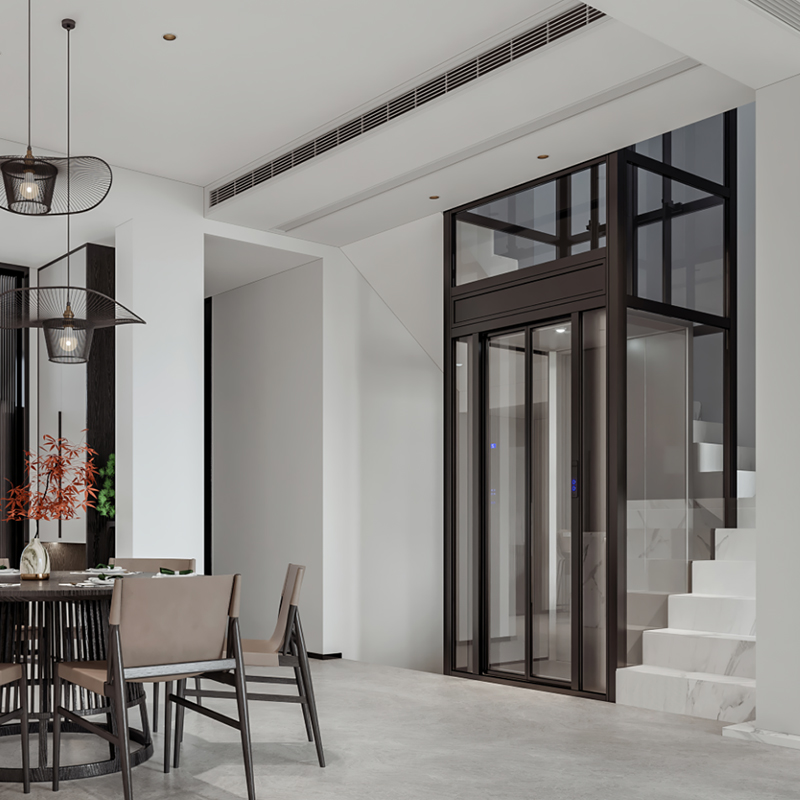
One of the most significant challenges in residential elevator installation is the architectural constraints of existing buildings. Homeowners often worry that installing an elevator will require excessive structural modifications or consume a large portion of their living space. However, modern engineering has solved this problem through the development of the small home traction elevator. These units are specifically designed to fit into tight footprints, often requiring minimal pit depth and overhead clearance compared to older hydraulic models. This compact design opens up possibilities for installation in locations that were previously deemed unfeasible, such as adjacent to a staircase or within a closet void. By utilizing a compact overhead drive system, these elevators eliminate the need for a separate machine room, preserving the aesthetic appeal and square footage of the home.
The architectural flexibility offered by these systems is unparalleled. The machine room less (MRL) home elevator configuration is particularly beneficial for retrofit projects where space is at a premium. By housing the motor and drive components within the rail structure or the top of the cab, architects and builders can integrate the elevator shaft seamlessly into the home's existing design language. This allows for glass walls, custom finishes, and varied entry configurations that enhance rather than detract from the interior decor.
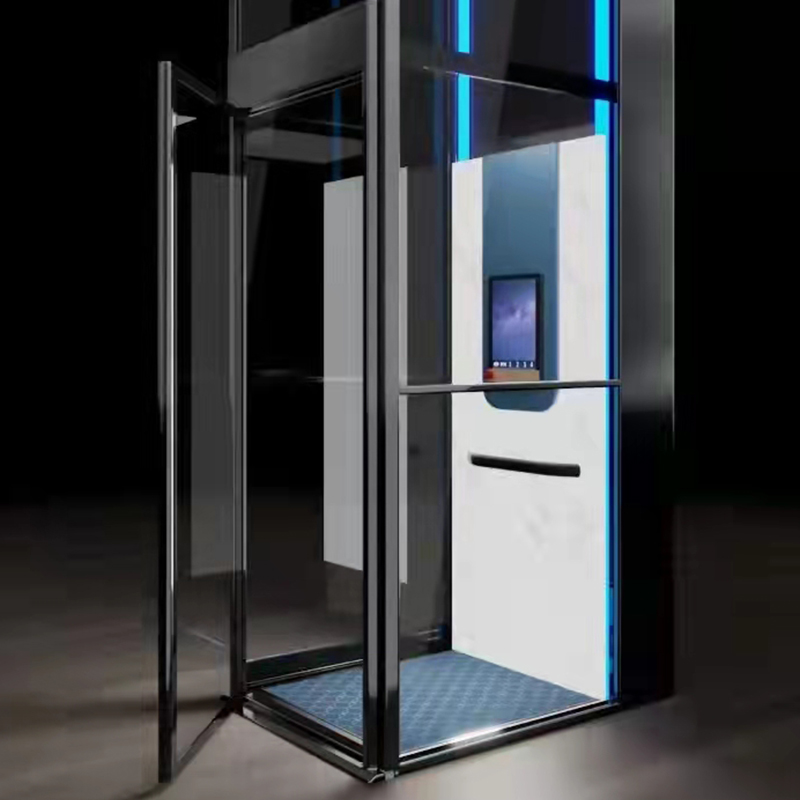
Design Benefits of Modern Traction Elevators
- Minimal Pit Requirements: Often requires a shallower pit than hydraulic models, reducing excavation costs.
- Compact Overhead: Efficient motor placement minimizes the ceiling height needed in the top floor.
- Customizable Finishes: Available with a variety of cabin materials, from glass to wood panelling, to match home decor.
- Flexible Shaft Placement: Can be integrated into existing shafts or built as a distinct architectural feature.
To better understand the spatial advantages, a comparison of space requirements between different drive types is essential. The table below illustrates how traction technology maximizes usable floor space efficiency.
td>td>
| Feature | Traction MRL Elevator | Hydraulic Elevator |
| Machine Room | None Required (Motor sits on top of rail/car) | Required (Separate room for pump and oil tank) |
| Pit Depth | Shallow (As low as 200mm - 300mm) | Deep (Often 1000mm+ for buffer and cylinder) |
| Footprint | Larger (Requires space for cylinder and jack) | |
| Structural Load | High (Heavy cylinder weight on foundation) |
Cost and Value Analysis
When evaluating the financial implications of installing a residential elevator, it is crucial to look beyond the initial sticker price. While the upfront residential traction lift cost can sometimes be higher than that of entry-level hydraulic models, the total cost of ownership often favors traction systems over the long term. Hydraulic elevators require periodic oil changes, involve higher energy consumption due to the power needed to pump fluid against gravity, and may entail more frequent maintenance of seals and hoses. In contrast, traction elevators are mechanically simpler and do not use hydraulic oil, eliminating the risk of oil leaks in the home and reducing environmental impact. Their energy consumption is significantly lower, especially during descent, as the counterweight system balances the load, requiring the motor to do less work.
Furthermore, the durability of the components in electric traction elevators for homes often translates into lower maintenance costs. The steel ropes or flat belts used in traction drives have a long service life and are generally easier to inspect than submerged hydraulic cylinders. For B2B procurement professionals and contractors, recommending a traction system can result in higher client satisfaction due to the reduced frequency of service calls and the elevator's superior longevity.
Financial and Operational Advantages
- Energy Efficiency: Counterweight system reduces motor load, saving up to 50-70% on energy costs compared to hydraulics.
- No Hydraulic Oil: Eliminates the cost and mess of oil changes and removes the risk of environmental contamination.
- Lower Maintenance: Fewer moving parts in the machine room translate to reduced service intervals and costs.
- Property Value: Modern traction systems are highly desirable features that can increase home resale value.
Analyzing the long-term expenses reveals that traction technology often pays for itself through operational savings. The following comparison highlights the cost drivers over a 10-year period.
td>td> td>td>
| Cost Factor | Traction Elevator | Hydraulic Elevator |
| Energy Usage | High (Requires constant pump pressure) | |
| Fluid Maintenance | ||
| Component Wear | High (Seals, hoses, and pumps degrade under pressure) | |
| Lifespan | 20-25+ Years | 15-20 Years |
Advanced Technology and Performance
The core appeal of a traction home elevator lies in its superior performance characteristics. The ride quality is markedly smoother and more level than that of hydraulic alternatives, which can sometimes suffer from "start-stop" jerkiness or jarring halts. This is achieved through variable frequency drives (VFDs) that precisely control the motor's speed and acceleration, ensuring a gentle start and stop that enhances comfort for users of all ages, particularly those with mobility issues. Additionally, the noise level is a critical differentiator. A quiet home elevator system is essential for residential settings where machinery noise can be disruptive. Because traction models do not have a large power unit pump running loudly, the operational noise is minimal, often barely perceptible to those in other rooms.
Safety and reliability are also paramount in these advanced systems. Modern traction units are equipped with dual braking systems, battery backup for lowering the car in the event of a power outage, and integrated safety gears that clamp onto the rails if overspeed is detected. The machine room less (MRL) home elevator technology specifically utilizes regenerative drives in many premium models, which can feed energy back into the home's electrical grid during descent, further optimizing efficiency. As a leading manufacturer in this sector, we are committed to integrating these cutting-edge technologies to ensure that our elevators not only meet but exceed safety standards while providing a luxurious user experience.
Performance Metrics
- Smooth Ride: VFD technology ensures precise leveling and eliminates jerky movements.
- Low Noise: Operates at a whisper-quiet level, ideal for residential environments.
- Regenerative Options: Some models regenerate power during descent, reducing net energy usage.
- Safety Gear: Mechanical safety braking systems are standard for emergency stops.
The technological superiority of traction systems is evident when comparing performance features against other drive types. The table below provides a technical overview of these differences.
td>td>td>td>
| Performance Feature | Traction MRL | Hydraulic |
| Ride Quality | Can be jerky; relies on valve modulation | |
| Noise Level | Louder (Pump noise and oil flow) | |
| Power Outage | Requires specific battery lowering system | |
| Installation Speed | Slower (Requires pouring concrete for cylinder) |
Conclusion
Choosing the right home elevator is a significant investment that impacts the daily lives and future mobility of homeowners. The traction home elevator stands out as the superior choice for those prioritizing long-term value, architectural harmony, and exceptional ride comfort. With the advent of machine room less (MRL) home elevator designs, the barriers to installation have been lowered, making this technology accessible even for homes with limited space. Although the initial residential traction lift cost may be a consideration, the energy savings, reduced maintenance, and longevity of electric traction elevators for homes provide a compelling return on investment. By opting for a small home traction elevator or a quiet home elevator system, homeowners are not just buying a lift; they are investing in a sustainable, safe, and elegant lifestyle solution that will serve them for decades to come.
FAQ
What are the main benefits of a traction home elevator compared to hydraulic?
The primary benefits of a traction home elevator include superior energy efficiency, smoother ride quality, and quieter operation. Unlike hydraulic models, traction elevators do not use oil, eliminating the risk of leaks and the need for costly fluid changes. Additionally, machine room less (MRL) home elevator designs require less space for installation, making them ideal for existing homes.
How much space is required to install a small home traction elevator?
Thanks to modern engineering, a small home traction elevator is designed to be compact. Typically, these units require minimal pit depth and headroom compared to hydraulic alternatives. The exact dimensions vary by model, but the MRL design eliminates the need for a separate machine room, allowing for more flexible placement within the home without major structural modifications.
Are traction elevators more expensive than hydraulic ones?
While the upfront residential traction lift cost can sometimes be higher than hydraulic models, the total cost of ownership is often lower. Electric traction elevators for homes are more energy-efficient and have lower maintenance requirements because they lack hydraulic fluids and pumps. Over time, these savings on electricity and maintenance can offset the initial purchase price.
Is a traction elevator suitable for a quiet home environment?
Yes, a quiet home elevator system is one of the defining characteristics of traction technology. Because they do not rely on a loud power unit pump to push fluid, traction elevators operate very quietly. This makes them perfect for residential settings where noise reduction is a priority, ensuring the elevator does not disturb the household.
What maintenance is required for a residential traction lift?
Maintenance for traction elevators is generally less frequent and involves fewer consumables than hydraulic systems. It typically includes routine inspection of the steel ropes or belts, guide rails, and the motor. Since there is no hydraulic oil, there are no oil changes required. Regular servicing ensures the traction home elevator remains safe and efficient for many years.
-
 Founding Road, Qidu Linhu Economic Zone, Wujiang City, Jiangsu Province, China
-
 [email protected]
-
 +86 15301576876/+86 0512-63818375
QR CODE

