


 En
En English
 русский
 Español
 عربى
عربى
Why Choose a Commercial Freight Elevator?
Posted by Admin | 22 Jan
Content
- 1 Commercial Freight Elevator Load Capacity Options
- 2 Cost to Install a Commercial Freight Elevator
- 3 Commercial Freight Elevator Safety Standards and Compliance
- 4 Commercial Freight Elevator Maintenance Best Practices
- 5 Commercial Freight Elevator Design for Multi‑Story Buildings
- 6 FAQ
- 6.1 What is the ideal load capacity for a small warehouse Commercial Freight Elevator?
- 6.2 How much does it cost on average to install a Commercial Freight Elevator?
- 6.3 What are the key safety standards for a Commercial Freight Elevator?
- 6.4 How often should a Commercial Freight Elevator undergo maintenance?
- 6.5 What design considerations are important for multi-story building Commercial Freight Elevators?
Commercial Freight Elevator Load Capacity Options
Choosing the right load capacity is one of the most critical decisions when selecting a Commercial Freight Elevator Load Capacity Options. Load capacity determines not only what types of goods can be transported but also the overall efficiency and safety of operations. Businesses must consider both current and future needs to ensure the elevator can handle peak loads without strain. Modern commercial freight elevators are available in a wide range of capacities, from small lifts suitable for light materials to heavy-duty elevators capable of carrying several tons.
- Small-capacity elevators: Ideal for retail stores and light goods.
- Medium-capacity elevators: Suitable for warehouses and logistics centers.
- Heavy-duty elevators: Designed for industrial facilities and large machinery transport.
-
Load Capacity Typical Use 1,000–2,000 lbs Small retail or office materials 3,000–5,000 lbs Warehouses and distribution centers 10,000 lbs and above Industrial factories and heavy machinery
Cost to Install a Commercial Freight Elevator
The Cost to Install a Commercial Freight Elevator depends on multiple factors, including the elevator type, building height, and local labor costs. Installation is an investment that impacts long-term operations, so understanding cost components is essential. Budgeting effectively ensures that businesses can plan for both installation and maintenance while selecting a model that meets operational requirements without overspending.
- Elevator type (hydraulic, traction, or machine-room-less) affects installation complexity.
- Number of floors and shaft requirements influence structural modifications.
- Labor, permits, and safety inspections contribute significantly to total cost.
-
Cost Component Typical Range Elevator Equipment $30,000–$80,000 Installation Labor $10,000–$40,000 Permits and Inspections $2,000–$8,000
Commercial Freight Elevator Safety Standards and Compliance
Safety is paramount when operating a Commercial Freight Elevator Safety Standards and Compliance. Adhering to national and local safety codes ensures that the elevator operates reliably and protects both personnel and cargo. Compliance involves regular inspections, proper signage, and emergency mechanisms. Businesses that prioritize safety reduce the risk of accidents, liability issues, and operational downtime.
- Ensure the elevator meets ANSI, ASME, or local code standards.
- Regular safety inspections are required for certification.
- Install emergency brakes, alarms, and interlocks to prevent accidents.
-
Safety Feature Purpose Load sensors Prevent overloading and reduce mechanical stress Emergency brakes Stop the elevator safely in case of failure Interlock doors Prevent accidental opening between floors 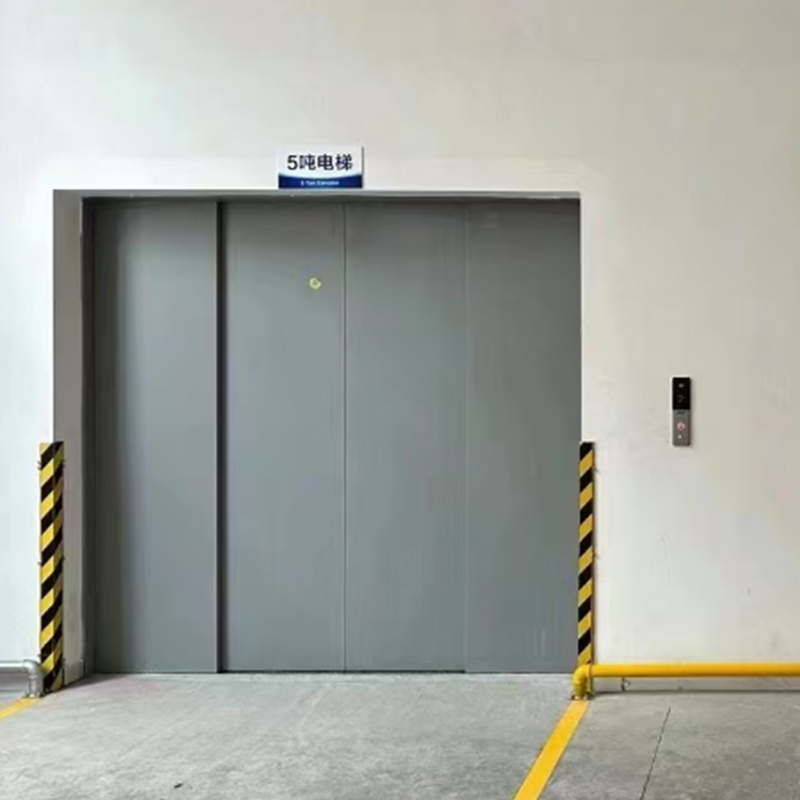
Commercial Freight Elevator Maintenance Best Practices
Routine maintenance is crucial for extending the lifespan and reliability of a Commercial Freight Elevator Maintenance Best Practices program. Scheduled inspections, lubrication, and testing ensure smooth operation and reduce costly repairs. Preventative maintenance prevents unexpected downtime and enhances safety for employees and goods.
- Conduct monthly inspections of mechanical and electrical components.
- Lubricate moving parts to reduce wear and tear.
- Replace worn cables, belts, or rollers promptly.
-
Maintenance Task Recommended Frequency Mechanical inspection Monthly Electrical system check Quarterly Full safety inspection Annually
Commercial Freight Elevator Design for Multi‑Story Buildings
Designing a Commercial Freight Elevator Design for Multi‑Story Buildings requires careful consideration of space, speed, and efficiency. Elevator shafts must be optimized to fit building constraints, while lift speed and door configuration affect workflow. Well-designed elevators improve material handling, reduce waiting times, and increase overall productivity for multi-level facilities.
- Calculate shaft dimensions based on building layout and elevator size.
- Determine optimal speed to balance safety and efficiency.
- Choose door types (manual or automatic) to suit traffic flow.
-
Design Factor Recommendation Shaft Size Allow sufficient clearance for maximum load Lift Speed Adjust to minimize wait without compromising safety Door Type Automatic doors for high-traffic areas
FAQ
What is the ideal load capacity for a small warehouse Commercial Freight Elevator?
For small warehouses, a load capacity between 3,000–5,000 lbs is typically sufficient. This allows for transporting pallets, light machinery, and boxed goods efficiently while maintaining safety and minimizing wear on the elevator components.
How much does it cost on average to install a Commercial Freight Elevator?
The total installation cost can range from $50,000 to $120,000 depending on the elevator type, number of floors, and site requirements. Including permits, labor, and equipment ensures accurate budgeting for a full installation.
What are the key safety standards for a Commercial Freight Elevator?
The key standards include compliance with ANSI/ASME regulations, regular inspections, emergency brakes, load sensors, and door interlocks. Adhering to these standards protects personnel and cargo while maintaining operational reliability.
How often should a Commercial Freight Elevator undergo maintenance?
Routine maintenance should include monthly mechanical inspections, quarterly electrical system checks, and a full safety inspection annually. Preventative measures help reduce downtime and extend the elevator’s lifespan.
What design considerations are important for multi-story building Commercial Freight Elevators?
Key considerations include shaft size, lift speed, door type, and integration with building layout. Proper design ensures efficient material handling, reduces waiting times, and improves overall productivity for multi-story facilities.

-
 Founding Road, Qidu Linhu Economic Zone, Wujiang City, Jiangsu Province, China
-
 [email protected]
-
 +86 15301576876/+86 0512-63818375
QR CODE

