


 En
En English
 русский
 Español
 عربى
عربى
What Makes a Traction Home Elevator the Best Choice for Your Building?
Posted by Admin | 20 Apr
Content
Introduction
The traction home elevator is becoming an essential component in modern buildings, not only for luxury residential projects but also for commercial installations. These elevators provide superior speed, efficiency, and long-term reliability compared to other elevator types. For engineering and B2B procurement, understanding the technical nuances of these systems is crucial for informed decision-making.
Technical Overview of Traction Home Elevators
How Traction Systems Work
Traction elevators use a system of ropes, counterweights, and electric motors to lift the cab. The motor drives a sheave that moves the ropes, balancing the load with counterweights. This mechanism reduces energy consumption and allows smoother acceleration and deceleration. High-quality traction systems ensure precise leveling and safety compliance.
Energy Efficiency in Traction Elevators
For engineers and commercial buyers, energy consumption is a critical factor. Energy-efficient traction home elevator systems utilize regenerative drives that return energy to the building grid during descent. Compared to hydraulic elevators, traction systems reduce operational costs significantly.
The table below illustrates the energy usage differences:
| Elevator Type | Average Energy Use per Trip (kWh) | Efficiency Rating |
| Traction Home Elevator | 0.25 | High |
| Hydraulic Elevator | 0.45 | Medium |
| Machine-Room-Less Elevator | 0.30 | Medium-High |
Design and Customization Options
Customizable Cab and Shaft Designs
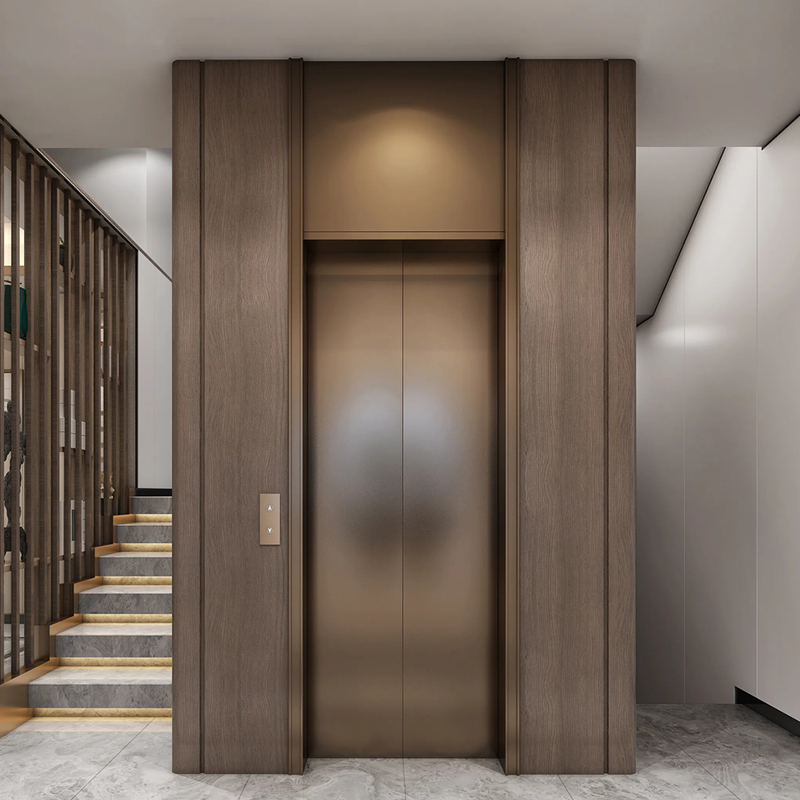
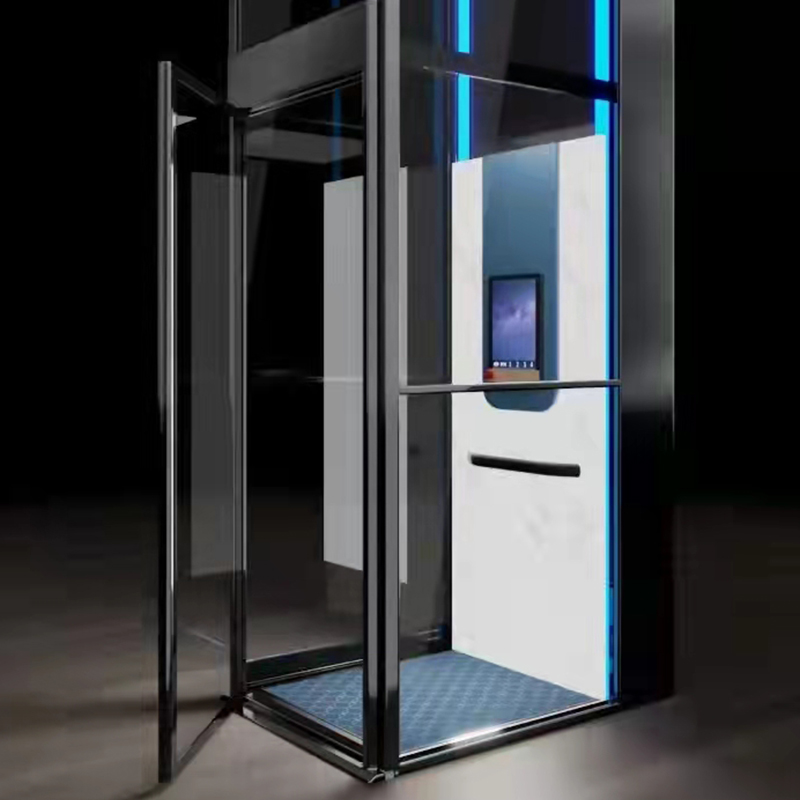
Customizable traction home elevator designs allow architects and engineers to integrate elevators seamlessly into different building aesthetics. Options include glass shafts, modular cab panels, and specialized lighting systems suitable for high-end commercial properties.
Material and Structural Considerations
Material selection affects durability, safety, and maintenance. Steel and aluminum alloys are common for structural frames, while tempered glass and high-grade plastics are used for cab panels. Compliance with safety regulations, load capacity standards, and fire codes is mandatory.
Installation and Cost Considerations
Installation Requirements
Installing a traction elevator involves precise engineering calculations. Space for a machine room, shaft dimensions, and structural reinforcements must be evaluated before procurement. Proper alignment ensures safety and longevity.
Cost Analysis
Industrial traction home elevator installation cost depends on building height, cab size, and additional customization. Below is a cost range comparison:
| Building Type | Installation Cost (USD) | Average Timeframe |
| Residential 2-3 Floors | 25,000 - 40,000 | 3-4 Weeks |
| Commercial 5-10 Floors | 50,000 - 80,000 | 6-8 Weeks |
| Luxury High-Rise | 90,000 - 150,000 | 10-12 Weeks |
Maintenance and Operational Guidelines
Routine Maintenance Protocols
Maintenance requirements for traction home elevators include monthly inspections of cables, lubrication of sheaves, and testing of safety brakes. Professional servicing ensures compliance with engineering standards and reduces downtime.
Long-Term Reliability and Safety Checks
Scheduled load testing and emergency system drills are essential for commercial installations. Traction elevators offer higher durability compared to hydraulic systems, supporting heavy and frequent usage.
Procurement and Bulk Purchase Tips
For B2B buyers, sourcing directly from certified manufacturers ensures quality and long-term support. Consider factors like lead time, bulk discounts, and warranty coverage when planning large-scale procurement.
Comparison with Alternative Elevator Types
Traction elevators outperform hydraulic and machine-room-less elevators in speed, energy efficiency, and space optimization. The table below summarizes the key differences:
| Feature | Traction Elevator | Hydraulic Elevator | MRL Elevator |
| Energy Efficiency | High | Medium | Medium-High |
| Space Requirement | Moderate | High | Low |
| Maintenance Frequency | Monthly | Quarterly | Monthly |
| Load Capacity | High | Medium | Medium |
Conclusion
The traction home elevator is a strategic investment for engineers and B2B buyers seeking reliable, efficient, and customizable vertical transport. Its technical advantages, energy savings, and long-term maintainability make it a preferred choice for modern commercial and residential projects.
FAQ
- Q1: What is the average lifespan of a traction home elevator?
A1: With proper maintenance, traction elevators can operate efficiently for 25-30 years. - Q2: How does a traction elevator reduce energy consumption?
A2: It uses counterweights and regenerative drives to minimize motor workload and return energy during descent. - Q3: Can commercial traction home elevator specifications be customized for retrofitting?
A3: Yes, modular designs allow adaptation to existing shafts and structural conditions.

-
 Founding Road, Qidu Linhu Economic Zone, Wujiang City, Jiangsu Province, China
-
 [email protected]
-
 +86 15301576876/+86 0512-63818375
QR CODE

