


 En
En English
 русский
 Español
 عربى
عربى
Why are commercial freight elevators so crucial for modern operations?
Posted by Admin | 27 Apr
Content
- 1 Understanding Commercial Freight Elevator Fundamentals
- 2 Technical Specifications and Capacity Considerations
- 3 Drive Systems: Hydraulic vs. Traction
- 4 Commercial Freight Elevator vs. Passenger Elevator
- 5 Safety Standards and Compliance Requirements
- 6 Installation and Maintenance Best Practices
- 7 Frequently Asked Questions (FAQ)
- 7.0.1 What is the typical load capacity range for a commercial freight elevator?
- 7.0.2 How does a freight elevator differ from a passenger elevator in terms of construction?
- 7.0.3 What safety standards govern commercial freight elevator installation?
- 7.0.4 When should a facility choose a hydraulic versusa traction freight elevator?
- 8 References
Vertical transportation of heavy goods remains a critical challenge for warehouses, manufacturing facilities, and commercial buildings. A commercial freight elevator provides the engineered solution that businesses need to move materials efficiently between floors while maintaining safety and operational continuity. Understanding the technical specifications, safety requirements, and operational differences of these systems helps procurement teams make informed decisions that align with their facility's demands.
Understanding Commercial Freight Elevator Fundamentals
Definition and Core Purpose
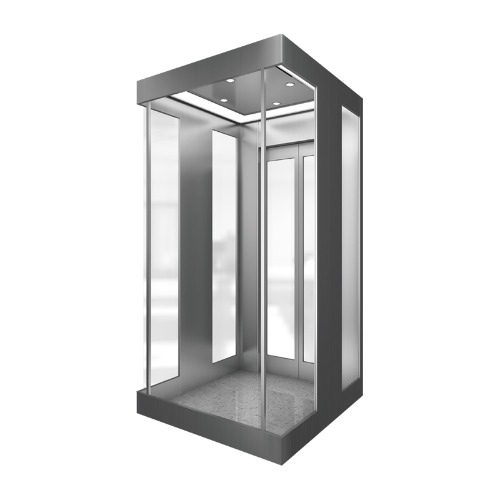
A commercial freight elevator is a vertical transportation system specifically engineered to move goods, equipment, and materials rather than passengers. These systems feature reinforced construction, higher load capacities, and durable interior finishes designed to withstand the rigors of industrial use. Unlike passenger elevators, freight systems prioritize functionality and durability over aesthetic appeal.
The primary purpose centers on material handling efficiency. Facilities use these elevators to transport palletized goods, machinery components, vehicles, and bulk materials between multiple levels. This capability eliminates manual carrying risks and reduces the time required for internal logistics operations.
Key Applications Across Industries
Multiple sectors rely on commercial freight elevator systems for daily operations:
- Warehouses and distribution centers are moving inventory between storage levels
- Manufacturing plants transporting raw materials and finished products
- Hospitals are relocating medical equipment, beds, and supplies through service corridors
- Automotive dealerships elevating vehicles to upper floors
- Retail stockrooms handling merchandise and fixtures
- Construction sites are moving building materials and tools
Technical Specifications and Capacity Considerations
Load Capacity Ranges
Load capacity represents the most critical specification when selecting a heavy-duty freight elevator capacity system. Standard commercial units typically handle between 1,000 kg and 10,000 kg, depending on the application requirements. Light-duty models suit small warehouses with single-pallet loads, while heavy-duty industrial systems accommodate machinery weighing several tons.
Engineers must apply safety margins when calculating required capacity. Dynamic loading conditions, uneven weight distribution, and future operational growth all factor into proper sizing. Overloading beyond rated capacity triggers safety shutdowns and risks mechanical failure.
Platform Dimensions and Lift Height
Platform size directly determines what types of cargo the system can transport. Common configurations range from compact 1 meter by 1.2 meter platforms for single pallets to large 3 meter by 3 meter platforms accommodating forklifts or oversized equipment. Custom dimensions address specific facility layouts and operational needs.
Lift height varies based on building structure. Low-rise facilities requiring 2-4 floor service typically need 6 to 15 meters of vertical travel. High-rise industrial complexes may require systems exceeding 30 meters. Taller installations demand more powerful drive systems and enhanced guide rail construction to maintain stability.
The following table presents typical industrial freight elevator specifications across different loading classes:
| Loading Class | Typical Capacity | Platform Size Range | Primary Use Case |
|---|---|---|---|
| Class A: General Freight | 1,000 - 2,500 kg | 1.2m x 1.5m to 1.5m x 2.0m | Manual loading with hand trucks |
| Class B: Motor Vehicle | 2,500 - 5,000 kg | 2.5m x 5.0m or larger | Automobile and truck transport |
| Class C1: Industrial Truck | 3,000 - 6,000 kg | 2.0m x 3.0m to 3.0m x 4.0m | forklift loading (rated capacity) |
| Class C2: Heavy Industrial | 4,000 - 10,000 kg | Custom large platforms | forklift with 150% rated capacity during loading |
| Class C3: Concentrated Loading | 2,000 - 5,000 kg | Varies by application | Heavy single items exceeding 1/4 capacity |
Drive Systems: Hydraulic vs. Traction
Hydraulic Freight Elevator Mechanics
A hydraulic cargo freight elevator operates using a piston and fluid system to lift the platform. This technology excels in low-rise to mid-rise applications up to approximately 10 meters in height. Hydraulic systems provide smooth acceleration and deceleration while maintaining precise floor leveling.
These systems require a machine room to house the hydraulic power unit, which impacts building footprint requirements. However, they offer lower initial installation costs and simpler maintenance procedures compared to traction alternatives. Hydraulic elevators perform reliably in environments where speed requirements remain moderate.
Traction System Advantages
Traction freight elevators utilize steel ropes and a counterweight system driven by an electric motor. This technology suits mid-rise to high-rise applications exceeding 6 stories. Gearless traction models deliver higher speeds and greater energy efficiency, making them preferable for facilities with intensive vertical transportation demands.
Machine-room-less (MRL) traction designs reduce space requirements by eliminating the need for a dedicated equipment room. These systems integrate the machinery within the hoistway, freeing valuable floor space for operational use.
The table below compares these two primary drive technologies:
| Specification | Hydraulic System | Traction System |
|---|---|---|
| Ideal Height Range | Up to 10 meters (low to mid-rise) | 6+ stories (mid to high-rise) |
| Travel Speed | 0.25 - 0.5 m/s | 0.5 - 1.0 m/s or higher |
| Energy Efficiency | Moderate (pump runs during ascent) | High (counterweight reduces motor load) |
| Machine Room Required | Yes | No (MRL options available) |
| Initial Cost | Lower | Higher |
| Maintenance Complexity | Simpler (fewer moving parts) | More complex (ropes, sheaves) |
| Load Capacity Range | 1,000 - 10,000+ kg | 1,000 - 5,000+ kg |
Commercial Freight Elevator vs. Passenger Elevator
Structural and Operational Differences
The freight elevator vs passenger elevator distinction extends beyond simple capacity differences. These systems represent fundamentally different engineering approaches tailored to distinct operational requirements.
Passenger elevators prioritize comfort, speed, and aesthetic appeal. They feature polished interiors, automatic horizontal sliding doors, and travel speeds between 1.0 and 2.5 meters per second. Load capacities typically range from 630 kg to 1,600 kg, sufficient for people and light personal items.
Freight systems sacrifice speed and aesthetics for durability and capacity. Reinforced steel wall panels, heavy-duty diamond plate flooring, and vertical bi-parting doors characterize these elevators. Travel speeds remain slower at 0.5 to 1.0 meters per second, but platforms accommodate significantly heavier loads and larger dimensions.
When to Choose Each System
Facilities must evaluate actual usage patterns when selecting elevator types. Passenger elevators serve public areas where appearance and speed matter. Freight elevators belong in service corridors, loading docks, and back-of-house areas where functionality dominates.
The following comparison table details key differences:
| Feature | Passenger Elevator | Commercial Freight Elevator |
|---|---|---|
| Primary Function | People transport | Goods and equipment transport |
| Load Capacity | 630 - 1,600 kg | 1,000 - 10,000+ kg |
| Travel Speed | 1.0 - 2.5 m/s | 0.5 - 1.0 m/s |
| Door Type | Horizontal automatic sliding | Vertical bi-parting or heavy-duty horizontal |
| Interior Finish | Decorative (mirrors, wood, stainless steel) | Heavy-duty steel panels, reinforced flooring |
| Platform Size | Compact (1.0m x 1.4m typical) | Large (up to 3m x 3m or custom) |
| Location | Public lobbies and corridors | Service areas, loading docks |
| Machine Room | Often MRL available | Usually required |
Safety Standards and Compliance Requirements
ASME A17.1 and International Codes
Freight elevator safety standards mandate strict compliance with recognized codes. In the United States, ASME A17.1 governs elevator design, installation, and maintenance. European facilities follow EN 81 standards, while ISO regulations apply internationally. These codes address load capacity limits, emergency braking systems, overspeed protection, and door interlock mechanisms.
All commercial installations require permits and inspections at multiple project stages. Fire-rated enclosures, emergency exits, and proper ventilation systems must meet local building codes. Accessibility compliance applies even to freight elevators when authorized personnel accompany loads.
Critical Safety Equipment Components
Modern commercial freight elevator systems incorporate multiple safety layers:
- Overload sensors that prevent operation when capacity is exceeded
- Emergency stop buttonsare accessible on each floor and within the cab
- Door safety switches ensure all landing doors close completely before movement
- Audible and visual warning systems alert personnel during operation
- Platform railings and protective fences prevent falls
- Safety gears and buffers protecting against an uncontrolled descent
Regular testing of these components ensures continued protection for both cargo and personnel.
Installation and Maintenance Best Practices
Pre-Installation Planning
Successful commercial freight elevator installation requires thorough planning. Engineers must assess building structure, determine optimal shaft location, and coordinate with electrical and hydraulic teams. Load calculations must account for future operational growth rather than just current needs.
Platform sizing decisions require analysis of the largest anticipated loads, including any equipment used for material handling. Door opening dimensions must accommodate forklifts, pallet jacks, or vehicles if applicable.
Maintenance Scheduling
Preventive maintenance extends equipment lifespan and ensures safety compliance. Recommended intervals include:
- Weekly visual inspections of cables, doors, and control panels
- Monthly functional testing of brakes, emergency systems, and door operation
- Quarterly lubrication, alignment checks, and performance diagnostics
- Annual full safety audits, load testing, and certification renewal
Maintenance logs must remain current for regulatory audits and insurance compliance. Only certified technicians should perform repairs or adjustments to safety-critical components.
Frequently Asked Questions (FAQ)
What is the typical load capacity range for a commercial freight elevator?
Standard commercial freight elevator systems handle loads from 1,000 kg to 10,000 kg, depending on the model and application. Light-duty units suit warehouses moving single pallets, while heavy-duty industrial systems accommodate machinery weighing several tons. Engineers should apply safety margins and consider future growth when specifying capacity requirements.
How does a freight elevator differ from a passenger elevator in terms of construction?
The freight elevator vs passenger elevator comparison reveals fundamental structural differences. Freight elevators feature reinforced steel construction, heavy-duty flooring, and vertical bi-parting doors designed for durability. Passenger elevators prioritize aesthetics with decorative finishes and automatic horizontal doors. Freight systems operate at slower speeds but handle significantly higher loads and larger platform dimensions.
What safety standards govern commercial freight elevator installation?
Freight elevator safety standards require compliance with ASME A17.1 in the United States, EN 81 in Europe, and applicable ISO standards internationally. These codes mandate specific requirements for load capacity, emergency braking, door interlocks, and overspeed protection. Installations require permits, multiple inspections, and regular maintenance to maintain compliance.
When should a facility choose a hydraulic versusa traction freight elevator?
Select a hydraulic cargo freight elevator for low-rise applications up to 10 meters, where initial cost and simple maintenance matter. Choose traction systems for mid-rise to high-rise buildings requiring faster travel speeds and higher energy efficiency. Hydraulic systems provide smooth operation and lower upfront investment, while traction elevators offer better performance for intensive multi-story operations.
References
- ASME A17.1-2023 Safety Code for Elevators and Escalators, American Society of Mechanical Engineers, 2023.
- EN 81-20:2020 Safety Rules for the Construction and Installation of Lifts, European Committee for Standardization, 2020.
- Elevator Wiki Contributors, "Freight Elevator," Elevator Wiki, March 2026.
- Izmir Demir Lift, "Freight Elevator Safety Equipment: Critical Elements," February 2026.
- High Step Systems, "Fall Protection on Freight Elevators: Safe Rules and Practices," December 2025.
- TEBO Lifts, "Freight Elevator vs Passenger Elevator Guide," March 2026.


-
 Founding Road, Qidu Linhu Economic Zone, Wujiang City, Jiangsu Province, China
-
 [email protected]
-
 +86 15301576876/+86 0512-63818375
QR CODE

