


 En
En English
 русский
 Español
 عربى
عربى
What Makes a Modern Electric Passenger Lift Reliable?
Posted by Admin | 14 Apr
Content
- 1 Core Engineering Principles of Traction Systems
- 2 Key Specifications for Procurement Managers
- 3 Top Manufacturers and Market Trends
- 4 Installation Guidelines and Compliance
- 5 Maintenance Contracts and Lifecycle Costs
- 6 Energy Efficiency Innovations
- 7 Advanced Safety Technologies
- 8 Frequently Asked Questions
Commercial buildings need dependable vertical transportation systems. An electric passenger lift uses an electric motor and steel traction ropes to move people between floors. This technology has replaced older hydraulic systems in most mid-rise and high-rise buildings because it offers superior energy efficiency and smoother rides. Procurement managers must understand the engineering details behind these systems to make informed purchasing decisions.
Core Engineering Principles of Traction Systems
The main mechanism relies on friction between the traction sheave and the steel ropes. The motor drives the sheave to pull the car upward or downward. Gearless traction machines use permanent magnet synchronous motors. These motors eliminate the need for a gearbox, which reduces mechanical wear and energy loss. Geared machines use a worm gear to increase torque, making them suitable for low-rise buildings with slower travel speeds. Engineers calculate the traction ratio to prevent rope slippage under heavy loads.
Key Specifications for Procurement Managers
Buyers evaluate lifts based on several technical parameters. Speed, capacity, and duty cycle dictate the final price and installation requirements.
Capacity and Size Standards
Standard capacities range from 630 kilograms to 2000 kilograms. A 630-kilogram unit accommodates 8 passengers, while a 2000-kilogram unit handles 26 passengers. The car dimensions must comply with local accessibility codes to allow wheelchair access. The shaft size depends directly on the car size and the counterweight configuration.
Speed and Rise Considerations
Travel speeds vary from 0.5 meters per second to 6.0 meters per second. Low-rise buildings typically use speeds up to 1.0 meters per second. High-rise office towers require speeds between 2.5 and 6.0 meters per second to maintain acceptable waiting times. The speed choice impacts the motor size and the braking system requirements.
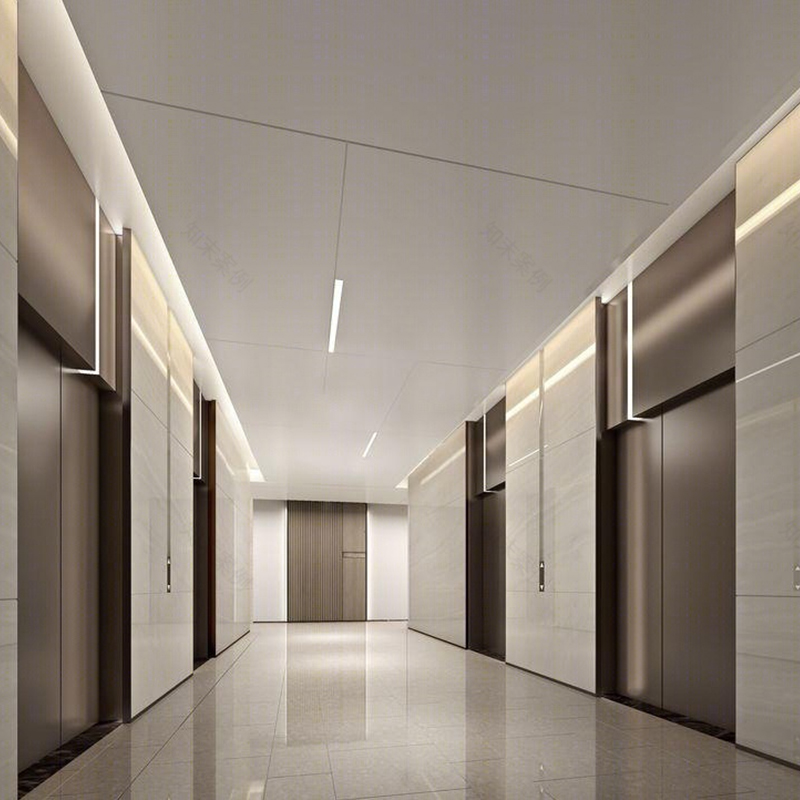
Electric Passenger Lift Price Comparison
Pricing depends heavily on the number of stops, speed, and rated load. Buyers must request itemized quotes to compare different configurations accurately. The following table shows general cost ranges based on capacity and travel distance. An electric passenger lift price comparison helps wholesalers budget for large commercial projects.
| Rated Load | Low-Rise (Up to 6 Stops) | Mid-Rise (7 to 15 Stops) | High-Rise (Over 15 Stops) |
| 630 kg (8 Persons) | $18,000 - $25,000 | $25,000 - $35,000 | $35,000 - $50,000 |
| 1000 kg (13 Persons) | $22,000 - $30,000 | $30,000 - $42,000 | $42,000 - $60,000 |
| 1600 kg (21 Persons) | $28,000 - $38,000 | $38,000 - $55,000 | $55,000 - $80,000 |
Note: These figures represent base equipment costs. Installation, shaft construction, and landing doors add significant expenses.
Top Manufacturers and Market Trends
The global market features several established engineering firms. European manufacturers traditionally lead in high-speed, gearless technology. Asian manufacturers dominate the mid-rise market by offering cost-effective geared traction units. Wholesalers should evaluate suppliers based on their regional service networks and spare parts availability rather than brand reputation alone.
Installation Guidelines and Compliance
Installation requires certified technicians. The process involves mounting the guide rails, installing the machine room equipment, and threading the steel ropes. Safety regulations mandate multiple independent braking systems and speed governors. The pit depth must accommodate the缓冲器and the car safety gear.
Commercial Building Electric Passenger Lift Requirements
Commercial buildings enforce strict fire safety codes. The elevator shaft must feature fire-rated doors at every landing. Ventilation systems must prevent smoke from entering the shaft during a fire. Commercial building electric passenger lift requirements also mandate emergency power supplies to bring the car to the nearest floor during an outage. Phase-one recall systems automatically send all cars to the ground floor when a fire alarm triggers.
Maintenance Contracts and Lifecycle Costs
Ownership costs extend far beyond the initial purchase. Maintenance contracts typically cost between $3,000 and $10,000 annually, depending on the usage frequency. Full-service contracts cover labor, lubricants, and standard replacement parts. Non-destructive testing of the steel ropes must occur annually to detect internal wire breaks.
Electric Passenger Lift Maintenance Cost Breakdown
Buyers must understand the long-term financial commitments. Routine servicing prevents catastrophic failures and extends the equipment lifespan to 20 or 30 years. The table below breaks down the typical annual maintenance expenses. A detailed electric passenger lift maintenance cost breakdown reveals that labor constitutes the largest expense.
| Maintenance Component | Estimated Annual Cost | Frequency |
| Routine Inspection and Lubrication | $1,500 - $3,000 | Monthly |
| Steel Rope Testing | $500 - $1,200 | Annually |
| Control System Diagnostics | $800 - $1,500 | Quarterly |
| Door Operator Adjustments | $600 - $1,000 | Semi-annually |
Energy Efficiency Innovations
Modern systems incorporate regenerative drives. When the car travels downward with a heavy load, or upward with a light load, the motor acts as a generator. The drive captures this kinetic energy and feeds it back into the building's power grid. LED cabin lighting and standby power modes further reduce the overall power consumption.
Energy Efficient Electric Passenger Lift Features
Procurement specialists prioritize sustainability metrics. Gearless permanent magnet motors consume significantly less power than traditional AC motors. Standby modes shut down the cabin lights and ventilation fans when the car remains idle for a set period. Energy-efficient electric passenger lift features help building owners achieve green building certifications and lower monthly utility bills.
- Regenerative drive systems that return power to the grid
- Standby modes for cabin lighting and fans
- Gearless permanent magnet synchronous motors
- Weight-optimized car frames and steel ropes
Advanced Safety Technologies
Safety protocols dictate every aspect of the design. The speed governor monitors the car's velocity. If the car exceeds the rated speed by a predetermined percentage, the governor trips a mechanical brake that wedges steel jaws into the guide rails. Modern units also use infrared door sensors to prevent closing when an object blocks the path.
Electric Passenger Lift Safety Standards EN 81
The European standard EN 81 sets the global benchmark for elevator safety. It covers structural integrity, electrical safety, and protection against fire and water. electric passenger lift safety standards EN 81 require multiple redundant braking systems and strict testing protocols for safety gears. Wholesale buyers must ensure that any imported equipment carries the correct certification documents from authorized testing laboratories.
Frequently Asked Questions
What is the average lifespan of an electric passenger lift?
With proper maintenance, a traction elevator typically lasts 20 to 30 years. The steel ropes require replacement every 5 to 10 years. The control systems and door operators often need modernization after 15 years to maintain reliability and comply with updated safety codes.
How much shaft space is required for a standard 8-person lift?
An 8-person lift with a rated load of 630 kilograms generally requires a clear shaft width of 2100 millimeters and a depth of 1900 millimeters. These dimensions can vary slightly depending on the specific door configuration and the counterweight placement. Always consult the manufacturer's technical drawings before constructing the shaft.
Can an electric lift be installed without a machine room?
Yes, machine-room-less (MRL) designs house the traction motor and control panel inside the shaft itself. This layout saves valuable floor space in the building. MRL systems use gearless permanent magnet motors because their compact size allows them to fit neatly at the top of the shaft.
What safety devices prevent free falls?
The speed governor and the car safety gear work together to prevent free falls. If the car overspeeds, the governor activates the safety gear, which grips the guide rails mechanically. Additionally, modern systems feature electromagnetic brakes on the motor shaft that engage immediately upon power loss.
-
 Founding Road, Qidu Linhu Economic Zone, Wujiang City, Jiangsu Province, China
-
 [email protected]
-
 +86 15301576876/+86 0512-63818375
QR CODE

