


 En
En English
 русский
 Español
 عربى
عربى
What Makes a Traction Gantry Sightseeing Elevator the Right Choice for Your Project?
Posted by Admin | 06 Apr
Content
- 1 1. Defining the Core Technology: Traction vs. Hydraulic Systems
- 2 2. Selecting the Ideal Model for High-Traffic Commercial Zones
- 3 3. Installation and Integration: Structural Considerations for Panoramic Gantry Elevators
- 4 4. Cost Analysis: Initial Investment vs. Lifecycle Value
- 5 5. Safety Systems and Regulatory Compliance for High-Rise Installations
- 6 6. Aesthetic Customization and Glass Enclosure Design
- 7 Frequently Asked Questions (FAQ)
- 8 References
In modern architectural design, integrating efficient vertical transportation with aesthetic appeal is a critical challenge. For large-scale commercial complexes, transit hubs, and luxury developments, selecting a vertical transport system requires rigorous technical evaluation. The Traction Gantry Sightseeing Elevator represents a specialized category that combines robust mechanical engineering with panoramic visibility. This article provides a detailed, engineer-level analysis for procurement specialists and wholesalers, focusing on structural mechanics, installation parameters, and long-term operational value. We will explore key specifications, compare drive systems, and address common technical concerns to support informed B2B purchasing decisions.
1. Defining the Core Technology: Traction vs. Hydraulic Systems
When specifying a panoramic elevator for high-traffic environments, the distinction between traction and hydraulic mechanisms is fundamental. A Traction Gantry Sightseeing Elevator utilizes steel ropes and a counterweight, offering superior energy efficiency and ride comfort. In contrast, hydraulic systems rely on a piston and are typically limited to lower-rise applications. For B2B buyers, the choice directly impacts lifecycle costs and building integration.
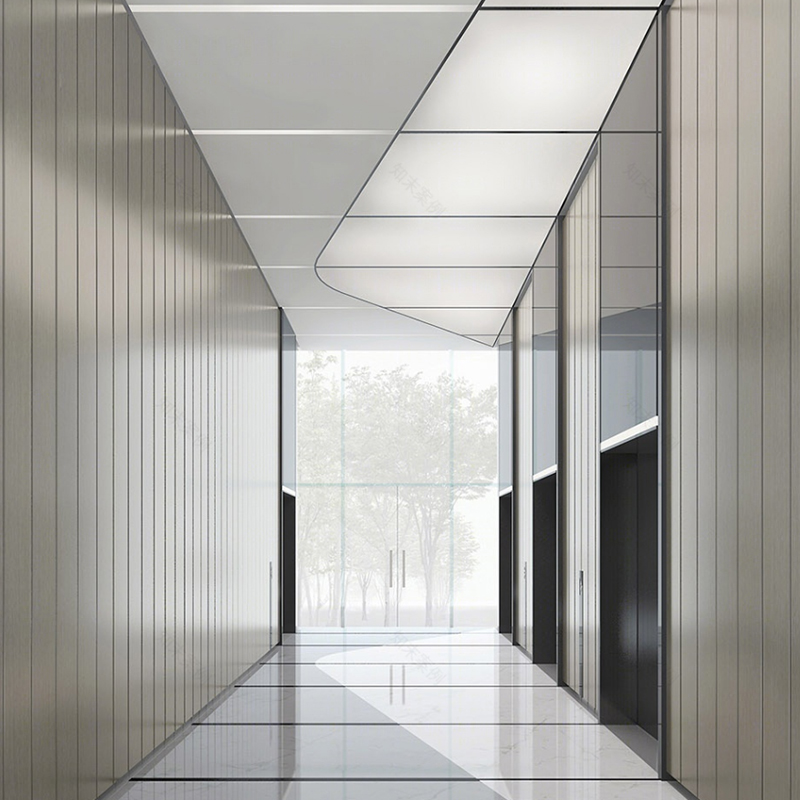
1.1 Key Technical Parameters for Comparison
Engineers must evaluate several critical factors, including travel height, speed capabilities, and machine room requirements. The following comparison outlines the distinct characteristics of each system.
Comparison of Traction and Hydraulic Systems in Sightseeing Elevators
| Parameter | Traction System (Gantry Type) | Hydraulic System |
|---|---|---|
| Maximum Travel Height | Up to 200 meters (with gearless machines) | Typically ≤ 20 meters |
| Travel Speed | 1.0 – 5.0 m/s | 0.25 – 1.0 m/s |
| Energy Consumption | Low (counterweight balances load) | High (direct fluid pressure) |
| Machine Room | Overhead or machine-room-less (MRL) options | Adjacent or remote machine room required |
| Structural Load | Higher point loads at the top of the hoistway | Higher load at the pit |
2. Selecting the Ideal Model for High-Traffic Commercial Zones
For B2B clients managing high-traffic commercial zones, the focus is on durability and optimizing passenger flow. A high-capacity panoramic elevator for commercial buildings must adhere to strict safety codes while providing an unobstructed view. The gantry structure provides enhanced stability for the glass panels, which is essential for withstanding wind loads in external installations or dynamic forces in high-rise internal atriums.
- Load Capacity: Models range from 1000 kg to 2500 kg, with gantry designs supporting heavier loads due to distributed structural support.
- Door Systems: High-frequency applications require automatic telescopic or center-opening doors with a minimum of 2 million cycle certifications.
- Control Systems: Destination dispatch systems improve handling capacity by up to 30% in multi-car configurations.
3. Installation and Integration: Structural Considerations for Panoramic Gantry Elevators
The installation of a panoramic elevator with a gantry structure involves complex coordination between civil engineering and mechanical teams. Unlike standard elevators, the gantry frame often supports both the guide rails and the glass curtain wall, creating a unified structural element. This design requires precise alignment to avoid torsional stresses that could affect ride quality.
3.1 Hoistway and Pit Depth Specifications
Standard configurations require a pit depth of 1.5 to 2.5 meters, depending on the buffer type and travel speed. For external installations, consideration must be given to water drainage and thermal expansion of glass panels. The following specifications are typical for a mid-to-high-rise model:
- Hoistway Dimensions: Customizable based on cab size, typically ranging from 2.0m x 2.2m to 2.5m x 3.0m.
- Overhead Clearance: Minimum 4.5 meters for traction machines and rope terminations.
- Machine Room: If not MRL, a separate overhead space of approximately 15-25 m² is required.
4. Cost Analysis: Initial Investment vs. Lifecycle Value
For procurement managers, understanding the total cost of ownership is paramount. While the initial cost of a Traction Gantry Sightseeing Elevator is generally higher than a hydraulic alternative, the operational savings are substantial. Energy consumption accounts for a significant portion of a building’s operational budget, and regenerative drives in modern traction systems can feed energy back into the building grid.
Cost and Efficiency Comparison
| Cost Factor | Traction Gantry System | Hydraulic System |
|---|---|---|
| Initial Equipment Cost | Higher (due to precision components) | Moderate |
| Annual Energy Cost | Lower (40-60% less than hydraulic) | Higher |
| Maintenance Complexity | Moderate (rope and sheave inspection) | Higher (hydraulic fluid leaks, cylinder corrosion) |
| Expected Lifespan | 20-25 years with a major overhaul | 15-20 years |
5. Safety Systems and Regulatory Compliance for High-Rise Installations
Safety is non-negotiable in B2B elevator procurement. A traction gantry-type sightseeing elevator must comply with global standards such as EN 81 or ASME A17.1. Key safety components include overspeed governors, progressive safety gears, and seismic sensors for installations in active zones. The gantry structure itself enhances safety by providing a redundant load path for the car frame.
- Emergency Systems: Battery-powered lowering devices ensure passenger evacuation during power failures.
- Door Locking Mechanisms: Dual-circuit electrical safety interlocks with mechanical verification.
- Glass Specifications: Laminated safety glass with interlayers to prevent shattering, typically 10-12 mm thickness for panoramic panels.
6. Aesthetic Customization and Glass Enclosure Design
For architects, the visual impact of an elevator is critical. The custom panoramic elevator for tourist attractions often requires full 360-degree visibility. Gantry structures are particularly suited for this because the support frame can be integrated into the building’s core, minimizing visual obstructions. Engineers must calculate the glass panel’s deflection under wind and dynamic loads, ensuring that the sealing systems remain watertight over decades.
Frequently Asked Questions (FAQ)
What is the maximum travel height for a traction gantry sightseeing elevator?
With modern gearless traction machines, these systems can achieve travel heights exceeding 150 meters. However, the practical limit is often dictated by building structure and local safety codes. For high-rise applications, multi-section guide rails and specialized compensator chains are required to maintain stability and performance.
How does the gantry structure improve ride comfort?
The gantry frame provides a rigid, four-corner guide system that minimizes lateral vibrations. This is crucial for panoramic elevators where passengers are directly facing the glass walls. The enhanced stiffness reduces the sway factor during acceleration and deceleration, resulting in a smoother ride compared to standard cantilevered car designs.
What are the key maintenance considerations for these elevators?
Regular maintenance focuses on the traction sheave, steel ropes, and guide rail lubrication. For gantry systems, periodic inspection of the structural fasteners connecting the gantry to the building’s primary structure is essential. Additionally, glass panels and their silicone seals should be inspected biannually for integrity and UV degradation.
Can a traction gantry elevator be installed externally on an existing building?
Yes, external installation is a common application. This requires a structural assessment of the existing building facade to support the gantry’s point loads. Engineers must design a steel substructure that transfers the elevator’s dynamic and static loads to the building’s columns or slab edges. Weatherproofing and thermal insulation of the hoistway are also critical considerations.
References
- International Organization for Standardization. (2020). ISO 18738-1:2020 - Measurement of ride quality for lifts (elevators).
- American Society of Mechanical Engineers. (2022). ASME A17.1/CSA B44 – Safety Code for Elevators and Escalators.
- Council on Tall Buildings and Urban Habitat. (2021). CTBUH Technical Guide: Vertical Transportation in High-Rise Buildings.
- European Committee for Standardization. (2019). EN 81-20:2019 - Safety rules for the construction and installation of lifts.
- Journal of Building Engineering. (2023). "Comparative Life Cycle Assessment of Traction and Hydraulic Elevator Systems." Vol. 45, 103567.

-
 Founding Road, Qidu Linhu Economic Zone, Wujiang City, Jiangsu Province, China
-
 [email protected]
-
 +86 15301576876/+86 0512-63818375
QR CODE

