


 En
En English
 русский
 Español
 عربى
عربى
What Makes a Custom Traction Gantry Sightseeing Elevator Truly Exceptional?
Posted by Admin | 02 Dec
Content
- 1 The Blueprint of Beauty and Performance: Mastering Design Specifications
- 2 Architectural Integration and Economic Viability
- 3 The Engine of Excellence: Advanced Technology and Sustainability
- 4 Protecting Your Investment: The Lifeline of Reliability
- 5 FAQ
- 5.1 What is the typical lead time for manufacturing and installing a fully custom traction sightseeing elevator?
- 5.2 How does a double-deck elevator manage stops with passengers on both levels?
- 5.3 Can VVVF drive technology be retrofitted into an existing traction elevator system?
- 5.4 What are the key structural considerations for a gantry-style sightseeing elevator?
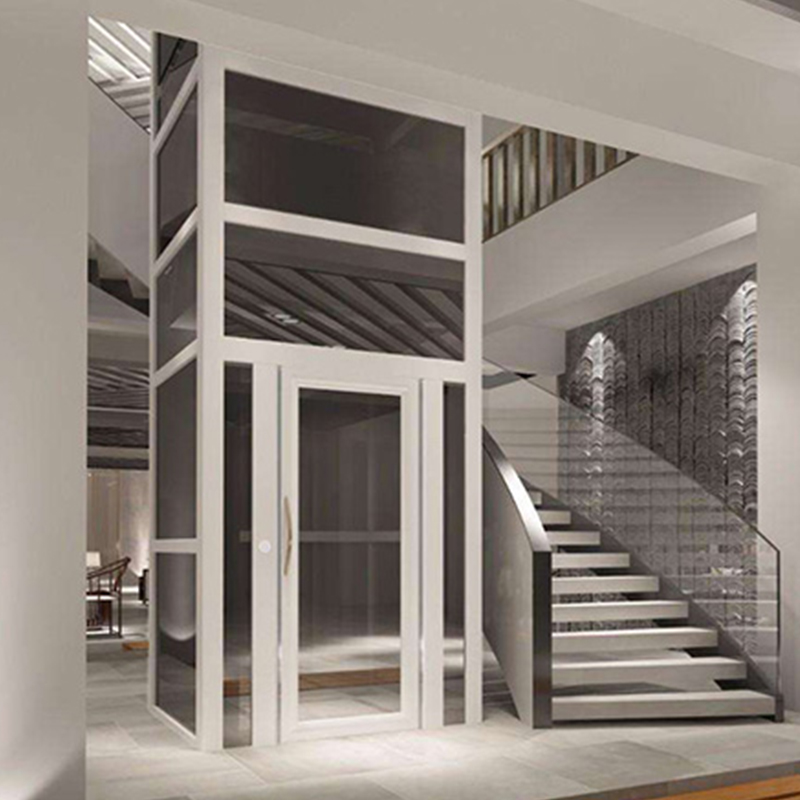
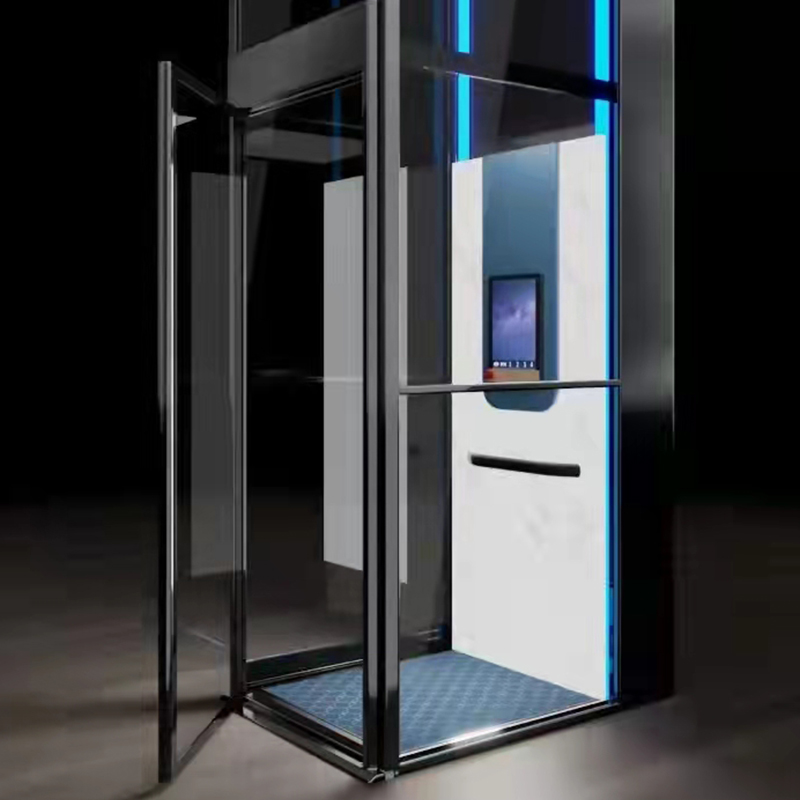
Traction Gantry Sightseeing Elevator
A Custom Traction Gantry Sightseeing Elevator is more than a vertical transport solution; it is the architectural centerpiece of a building, a statement of design, and a complex piece of engineering. While many providers offer standard models, a truly exceptional elevator is defined by a seamless fusion of breathtaking aesthetics, precise engineering, advanced technology, and unwavering long-term reliability. This guide delves into the five critical dimensions that separate a remarkable installation from a merely functional one, providing the insights needed for architects, developers, and facility managers to make an informed investment.
The Blueprint of Beauty and Performance: Mastering Design Specifications
The journey to an exceptional elevator begins with its blueprint. Customization is not merely about size; it's about creating a system perfectly harmonized with the building's architecture, intended use, and passenger flow. A well-defined set of custom traction gantry sightseeing elevator design specifications serves as the foundation for everything that follows, ensuring the final product meets both aesthetic vision and performance demands.
- Passenger Capacity and Car Dimensions: Determined by peak-hour traffic analysis. A standard car may accommodate 8-13 people, but a custom design for a high-traffic hotel might require a larger capacity, directly influencing the car's width, depth, and ceiling height.
- Speed and Travel Height: The elevator's speed (e.g., 1.0 to 2.5 m/s) must be calibrated to the building's height to minimize wait times without compromising ride comfort. Higher-rise buildings necessitate faster, more powerful systems.
- Glass Type and Curvature: The choice between tempered, laminated, or double-glazed glass impacts safety, insulation, and clarity. Custom curvatures for panoramic views require advanced manufacturing techniques.
Creating a detailed specification sheet requires a collaborative approach. Leading consultants and manufacturers like Schindler or KONE often use a structured process to define parameters. The following table outlines key considerations beyond basic dimensions.
| Design Factor | Standard Consideration | Custom Enhancement |
| Lighting System | Basic functional lighting | Programmable, color-tunable LED systems to match the building's day/night ambiance. |
| Interior Finishes | Standard stainless steel | Custom materials like back-painted glass, natural stone, or branded decorative elements. |
| Control System | Standard call collection | Destination dispatch systems for optimal traffic flow and reduced journey times. |
Architectural Integration and Economic Viability
An exceptional elevator must integrate flawlessly into its environment, whether in a new construction or an existing landmark. This integration often defines the project's scope and economic justification, balancing architectural ambition with practical financial planning.
Transforming Spaces: Hotel Lobby Traction Gantry Elevator Modernization Retrofit
For many iconic hotels, modernizing a legacy elevator system is a strategic investment to enhance guest experience and revitalize the property's core aesthetic. A hotel lobby traction gantry elevator modernization retrofit presents unique challenges, including working within spatial constraints, preserving historic elements, and minimizing disruption to daily operations. The process involves a comprehensive assessment of the existing hoistway, machine room conditions, and structural supports to design a new, state-of-the-art system that breathes new life into the space, often becoming the hotel's most photographed feature.
Analyzing the Investment: Understanding Double Deck Traction Gantry Sightseeing Elevator Cost
When analyzing the double deck traction gantry sightseeing elevator cost, it is crucial to look beyond the initial price tag. A double-deck elevator, which transports passengers from two floors simultaneously, represents a premium investment with a significant return in operational efficiency.
| Cost Component | Single-Deck Elevator | Double-Deck Elevator |
| Initial Equipment Cost | Base Price | ~1.6 to 1.8x Base Price |
| Hoistway Space | Requires one shaft per elevator | Doubles capacity within a single shaft footprint |
| Long-Term Efficiency | Handles standard traffic flow | Dramatically reduces peak-time wait times and energy use per passenger. |
The justification for a double-deck system is strongest in high-rise buildings with consistent, high-volume traffic between consecutive floors, such as in corporate towers or luxury hotels.
The Engine of Excellence: Advanced Technology and Sustainability
The silent, smooth, and efficient operation that defines a premium passenger experience is driven by core technological systems. Today, the focus is squarely on energy efficiency and intelligent control.
The Heart of Smooth Operation: Energy Efficient VVVF Drive Traction Sightseeing Elevator Technology
At the core of a modern energy efficient VVVF drive traction sightseeing elevator is the Variable Voltage Variable Frequency (VVVF) drive. This technology is non-negotiable for high-performance systems. Unlike older systems that operate at constant power, a VVVF drive precisely controls the voltage and frequency supplied to the traction motor. This results in exceptionally smooth acceleration and deceleration, pinpoint landing accuracy, and a dramatic reduction in energy consumption—by up to 40% compared to hydraulic systems or older AC motor designs. For a building pursuing sustainability certifications like LEED, this is a critical component.
Protecting Your Investment: The Lifeline of Reliability
The commitment to excellence does not end at installation. The long-term value and performance of a multi-million dollar architectural statement are safeguarded by a robust and proactive maintenance strategy.
Ensuring Lifelong Performance: The Value of a Glass Panoramic Elevator Maintenance Service Contract
A glass panoramic elevator maintenance service contract is the lifeline that ensures your elevator remains a safe, reliable, and beautiful asset for decades. Reactive repairs are not an option for a centerpiece that is constantly in use and view. A comprehensive contract with a reputable provider like TK Elevator or Otis includes regular inspections, preventive maintenance, 24/7 emergency support, and guaranteed access to genuine parts. This proactive approach minimizes unexpected downtime, which can be extremely costly in a commercial setting, and ensures the system consistently operates at peak performance, preserving both its mechanical integrity and pristine appearance.
FAQ
Here are expert answers to the most pressing questions about custom traction gantry sightseeing elevators, based on current industry trends and project inquiries.
What is the typical lead time for manufacturing and installing a fully custom traction sightseeing elevator?
The lead time for a Custom Traction Gantry Sightseeing Elevator is significantly longer than for standard models, typically ranging from 6 to 12 months. This timeline encompasses detailed design engineering, custom material sourcing (especially for specialized glass), manufacturing, rigorous factory testing, and finally, on-site installation and commissioning. Complex projects involving a hotel lobby traction gantry elevator modernization retrofit may face additional variables related to existing structural conditions.
How does a double-deck elevator manage stops with passengers on both levels?
A double-deck elevator is programmed to operate with a sophisticated control system. The two cabs are physically fixed together on the same frame. When a passenger on the upper cab calls for a floor, the system calculates the stop so that the upper cab aligns with that floor, while the lower cab simultaneously aligns with the floor directly below it. This requires careful zoning of building floors and a destination dispatch system to optimally group passengers heading to consecutive floors, maximizing the efficiency gain.
Can VVVF drive technology be retrofitted into an existing traction elevator system?
Yes, upgrading the control system and drive to a modern energy efficient VVVF drive is one of the most impactful aspects of a modernization project. This retrofit can dramatically improve ride quality, leveling accuracy, and energy efficiency without the need to replace the entire elevator car or hoistway. It is a key upgrade in any comprehensive glass panoramic elevator maintenance service contract aimed at extending the life and performance of an existing asset.
What are the key structural considerations for a gantry-style sightseeing elevator?
The gantry (or machine-room-less, MRL) design places the traction machine within the top of the elevator shaft itself. Key structural considerations include ensuring the hoistway walls and top support can handle the machine's loads and vibrations. The structural engineer must verify the capacity for guide rail brackets and the overhead beam that supports the entire system. For exterior installations, wind loading and seismic factors become critically important in the custom traction gantry sightseeing elevator design specifications.
-
 Founding Road, Qidu Linhu Economic Zone, Wujiang City, Jiangsu Province, China
-
 [email protected]
-
 +86 15301576876/+86 0512-63818375
QR CODE

