


 En
En English
 русский
 Español
 عربى
عربى
What Determines the Success of Your Custom Traction Gantry Elevator Project?
Posted by Admin | 09 Dec
Content
- 1 Strategic Budgeting: Beyond the Initial Price Tag
- 2 The Technology Core: Driving Efficiency and Performance
- 3 Advanced Design Solutions for Maximum ROI
- 4 Ensuring Long-Term Value and Reliability
- 5 FAQ
- 5.1 What is the primary advantage of a gantry (MRL) design over a traditional elevator with a machine room?
- 5.2 How long does a typical modernization retrofit project take from start to finish?
- 5.3 Is a double-deck elevator a practical solution for any building with high traffic?
- 5.4 What are the most critical clauses to look for in a maintenance service contract?
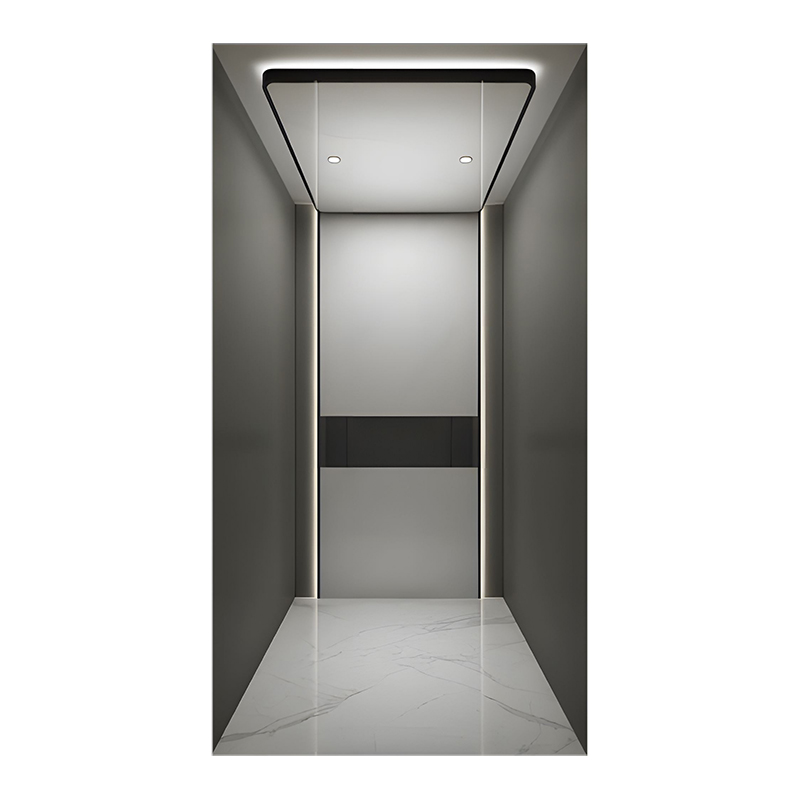
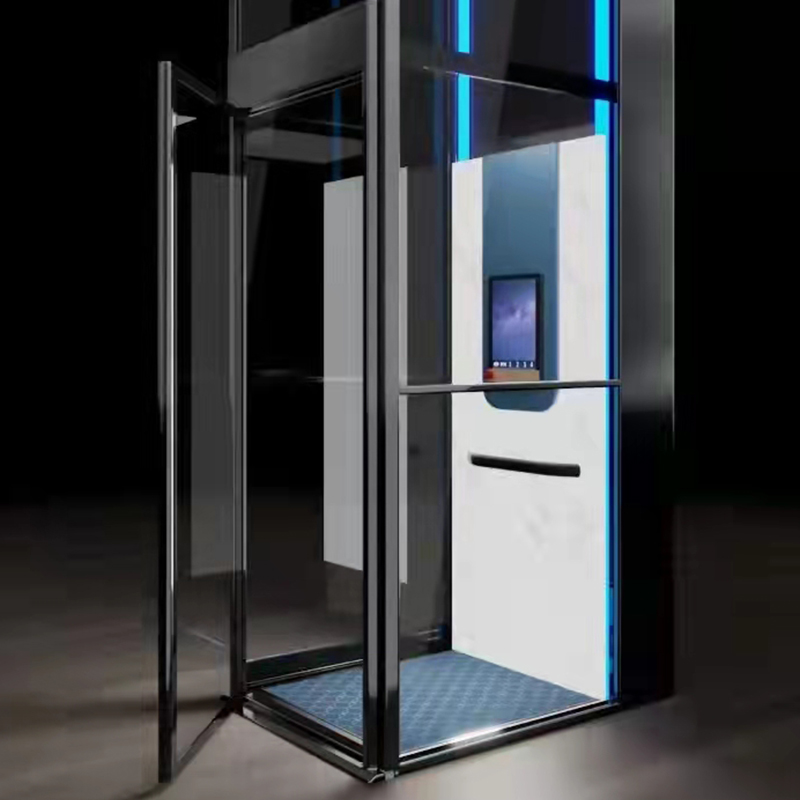
Traction Gantry Elevator
Investing in a Custom Traction Gantry Elevator is a significant decision that impacts your building's functionality, efficiency, and long-term value. While the initial visual appeal is important, true project success is measured by seamless integration, decades of reliable service, and optimal total cost of ownership. This definitive guide explores the five critical pillars that separate a successful, high-value installation from one plagued with operational challenges and unexpected costs, providing the insights needed for developers, facility managers, and architects to make an informed choice.
Strategic Budgeting: Beyond the Initial Price Tag
A sophisticated procurement strategy for a Custom Traction Gantry Elevator looks far beyond the base equipment cost. Understanding the full financial picture, especially for demanding applications like high-rise buildings, is the first step toward a sound investment. A comprehensive budget accounts for the entire project lifecycle, from initial design and installation to decades of operation and maintenance.
- Equipment Tier: The choice of components (premium vs. standard grade controllers, door systems, and finishes) significantly influences the initial outlay.
- Installation Complexity: Factors such as site access, hoistway readiness, and the need for specialized labor can vary greatly and impact costs.
- Long-Term Operational Costs: Energy consumption, driven by the efficiency of the drive system and usage patterns, is a recurring expense over the elevator's lifespan.
Analyzing Custom Traction Gantry Elevator Price for High Rise Building
When evaluating the custom traction gantry elevator price for high rise building, several unique factors come into play that are less pronounced in low-rise structures. The increased travel height demands higher-speed systems, which require more powerful motors and advanced control systems to ensure passenger comfort and safety. Furthermore, the suspension means (steel ropes or composite belts) must be rated for the increased load and cycle count, and the safety system redundancy needs to be more robust.
| Cost Factor | Low-Rise Building (e.g., 5 floors) | High-Rise Building (e.g., 20+ floors) |
| Drive System Power & Speed | Standard power, lower speed (1.0 m/s) | High power, premium speed (2.5 m/s+) |
| Suspension Means | Standard steel ropes | Long-life ropes or advanced composite belts |
| Safety System Redundancy | Standard safety gear | Advanced, multi-level braking and monitoring systems |
The Technology Core: Driving Efficiency and Performance
The silent, smooth, and responsive operation that defines a premium elevator experience is directly attributable to its core technological systems. In today's market, the focus is squarely on energy efficiency, driven by advanced motor control technologies that have become the industry standard for high-performance applications.
The Heart of Modern Performance: Energy Efficient VVVF Drive Traction Gantry Elevator System
An energy efficient VVVF drive traction gantry elevator system is non-negotiable for a modern, high-performance installation. The Variable Voltage Variable Frequency (VVVF) drive acts as the precision brain of the elevator, meticulously controlling the power delivered to the permanent magnet synchronous motor (PMSM). Unlike older systems that operate with constant power consumption and jarring starts/stops, VVVF technology allows for a soft start, continuous speed control, and regenerative braking that can feed energy back into the building's grid. This results in exceptionally smooth acceleration and deceleration, pinpoint landing accuracy (±5 mm), and a dramatic reduction in energy consumption—by up to 50% compared to older hydraulic or AC motor systems.
Advanced Design Solutions for Maximum ROI
For projects where maximizing throughput and optimizing valuable floor space are paramount, advanced customization options offer a significant return on investment. These solutions go beyond standard offerings to address specific architectural and operational challenges.
Maximizing Capacity in Limited Space: A Double Deck Traction Gantry Elevator Design Guide
A double deck traction gantry elevator design guide is essential for understanding how to effectively double the passenger capacity within a single hoistway footprint. This sophisticated solution involves two elevator cars that are permanently fixed together on a common frame, serving two consecutive floors simultaneously. Key design considerations include precise building zoning to align the two decks with adjacent floors, a destination dispatch control system to intelligently group passengers, and a reinforced structure to handle the increased load. While the initial investment is higher, the payoff in reduced passenger wait times and the liberation of valuable core space for other uses can provide an unparalleled ROI in dense, high-traffic buildings like corporate headquarters and luxury hotels.
Ensuring Long-Term Value and Reliability
The commitment to excellence does not conclude with the installation and commissioning of the elevator. The long-term performance, safety, and cost-effectiveness of this critical building asset are entirely dependent on a proactive and professional maintenance strategy.
Securing Uptime with a Proactive MRL Traction Elevator Maintenance Service Contract
A comprehensive MRL traction elevator maintenance service contract is the cornerstone of long-term asset management. For Machine-Room-Less (MRL) systems, where key components are located within the hoistway, proactive and predictive maintenance is even more critical. A high-quality contract transitions from a reactive "fix-it-when-it-breaks" model to a proactive partnership. It should include scheduled inspections based on usage data, remote monitoring for early fault detection, guaranteed access to genuine OEM parts, and defined emergency response times. This approach minimizes disruptive and costly downtime, ensures compliance with evolving safety regulations, and ultimately extends the operational life of the elevator, protecting your capital investment for decades.
Upgrading for the Future: Key Specifications for Custom Traction Elevator Modernization Retrofit
Modernization is a strategic alternative to full replacement for buildings with aging elevator systems. Defining the precise specifications for custom traction elevator modernization retrofit is a complex but rewarding process. The goal is to integrate new technology into an existing structure. Critical specifications include a new energy efficient VVVF drive traction gantry elevator system controller, a modern car and door operator for improved performance and aesthetics, updated landing call fixtures, and a full upgrade to the latest safety code requirements (e.g., EN 81-20/50 or ASME A17.1). A successful retrofit can grant an old elevator system the performance, efficiency, and reliability of a new installation at a fraction of the cost and disruption of a full replacement.
| System Component | Legacy System Limitation | Modern Retrofit Solution |
| Control System | Relay-based, imprecise, high energy use | Microprocessor-based with VVVF drive, destination dispatch capability |
| Door Operator | Noisy, slow, unreliable | Quiet, gearless AC motor with infrared safety protection |
| Safety System | May not meet latest codes | Full upgrade to current standards, including unintended car movement protection |
FAQ
Here are expert answers to the most pressing questions about custom traction gantry elevators, based on current industry trends and project inquiries.
What is the primary advantage of a gantry (MRL) design over a traditional elevator with a machine room?
The primary advantage of a Custom Traction Gantry Elevator with an MRL design is the elimination of a dedicated machine room, which saves valuable architectural space and can reduce building costs. The machine is compact and mounted within the elevator hoistway itself. This design also typically uses a more energy efficient VVVF drive traction gantry elevator system with permanent magnet motors, leading to lower energy consumption and a smaller environmental footprint compared to traditional systems.
How long does a typical modernization retrofit project take from start to finish?
The timeline for a modernization project varies based on scope, but a typical custom traction elevator modernization retrofit for a single elevator can take between 2 to 4 weeks per unit. This includes the pre-project engineering and planning, the physical installation of new components, and the final testing and commissioning. Phasing the work across multiple elevators in a bank is a common strategy to minimize disruption to building occupants.
Is a double-deck elevator a practical solution for any building with high traffic?
While a double deck traction gantry elevator is excellent for high traffic, its practicality depends on the building's "zoning." It is most effective in structures with a clear separation of functions across consecutive floors, such as a hotel with identical room layouts on top of each other, or an office building where lower floors are retail and upper floors are offices. The elevator control system must be sophisticated enough to efficiently group passengers to maximize the dual-car advantage.
What are the most critical clauses to look for in a maintenance service contract?
When reviewing an MRL traction elevator maintenance service contract, pay close attention to the defined response times for emergency calls, the inclusion of preventive and predictive maintenance tasks (not just repairs), the coverage for wear-and-tear parts, and the terms regarding software updates for the control system. A clear scope of work and performance metrics (e.g., guaranteed uptime) are essential for ensuring the long-term reliability and safety of your investment.
-
 Founding Road, Qidu Linhu Economic Zone, Wujiang City, Jiangsu Province, China
-
 [email protected]
-
 +86 15301576876/+86 0512-63818375
QR CODE

