


 En
En English
 русский
 Español
 عربى
عربى
How Much Can Energy-Efficient Elevators Truly Save Your Building?
Posted by Admin | 23 Dec
Content
- 1 The Business Case: Quantifying Efficiency Savings
- 2 Core Technologies Powering Modern Efficiency
- 3 Achieving Sustainability Goals and Building Certification
- 4 The Intelligent Layer: Maximizing Savings Through Smart Operation
- 5 FAQ
- 5.1 What is the single most impactful feature for improving elevator efficiency?
- 5.2 Can regenerative drives really send power back to my building, and how is it measured?
- 5.3 How do energy-efficient elevators contribute to LEED certification?
- 5.4 Is a modernization project for energy efficiency disruptive to building occupants?
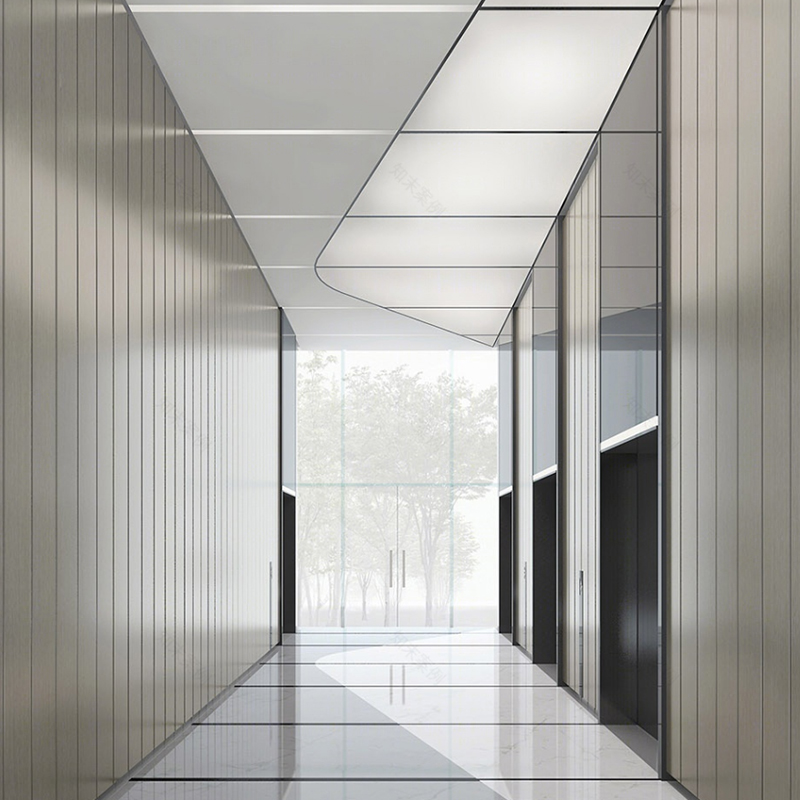
Energy-Efficient Passenger Elevators
In an era of rising energy costs and increased focus on sustainable building operations, Custom Energy-Efficient Passenger Elevators have transitioned from a premium option to a smart financial investment. While traditional elevators can consume up to 10% of a multi-story building's total electricity, modern efficient systems are engineered to cut that figure dramatically. This guide moves beyond general claims to provide a detailed, quantitative look at the technologies driving these savings, the tangible return on investment, and how they contribute to broader sustainability certifications, empowering property owners and facility managers to make a data-driven decision.
The Business Case: Quantifying Efficiency Savings
The decision to invest in a Custom Energy-Efficient Passenger Elevator, whether as a new installation or a modernization upgrade, is fundamentally a financial one. Understanding the complete picture of cost versus long-term savings is crucial. The savings are not monolithic; they vary based on building height, traffic patterns, and the technology deployed. A comprehensive analysis goes beyond just kilowatt-hours to include reduced maintenance costs, enhanced property value, and potential utility incentives for energy-efficient upgrades.
- Energy Consumption Reduction: Modern systems can reduce energy consumption by 30% to 70% compared to older hydraulic or relay-controlled traction elevators, leading to direct and significant cuts in utility bills.
- Maintenance and Operational Savings: Advanced systems with permanent magnet motors and solid-state components often have longer service intervals and higher reliability, reducing long-term maintenance costs and minimizing costly downtime.
- Heat Load Reduction: Efficient systems generate less waste heat, lowering the burden on a building's HVAC system, particularly in the machine room, resulting in additional indirect energy savings.
From Investment to Return: A Deep Dive into Energy Efficient Elevator Modernization Cost Analysis
Conducting a thorough energy efficient elevator modernization cost analysis is the first step for building owners considering an upgrade. The initial investment typically includes the cost of new equipment (controller, drive, motor), installation labor, and potential architectural work. However, the return is calculated from the dramatic drop in daily operating expenses. For example, replacing a legacy system with a new custom elevator with VVVF drive technology and a regenerative drive can pay for itself in a surprisingly short period, often between 3 to 7 years, depending on local electricity rates and usage intensity. This transforms the project from a capital expense into a strategic investment with a clear and compelling financial return.
| Cost/Saving Factor | Traditional Elevator System | Modern Energy-Efficient System |
| Annual Energy Cost (Example) | $4,500 | $1,800 |
| Estimated Maintenance Cost | Higher (more moving parts, fluid changes) | Lower (sealed bearings, predictive diagnostics) |
| HVAC Impact on Machine Room | Significant cooling required | Minimal cooling required |
Core Technologies Powering Modern Efficiency
The remarkable efficiency gains in modern vertical transportation are not the result of a single innovation, but a combination of advanced technologies working in concert. At the heart of these systems are drives and motors that have been fundamentally re-engineered for performance and sustainability. Understanding these core components is key to appreciating the value proposition of a modern elevator system.
Beyond Braking: How a Regenerative Drive System for Passenger Elevators Pays Back
A regenerative drive system for passenger elevators is a game-changer in energy management. Unlike traditional systems that dissipate braking energy as waste heat through resistors, a regenerative drive captures this energy. When an elevator car carrying a light load travels upward or a heavy load travels downward, the motor acts as a generator. The regenerative drive converts this generated AC power into DC power and then back into AC power that is synchronized with the building's electrical grid. This clean electricity can then be used by other building systems, such as lighting or HVAC, effectively reducing the building's net power draw from the utility company. In buildings with high elevator usage, this can result in substantial annual energy cost savings.
The Precision Advantage: Optimizing Performance with a Custom Elevator with VVVF Drive Technology
The implementation of VVVF drive technology is non-negotiable for any truly efficient elevator. Variable Voltage Variable Frequency (VVVF) drives provide unparalleled control over the elevator motor. By precisely adjusting the voltage and frequency of the power supplied to the motor, the VVVF drive ensures smooth acceleration and deceleration profiles. This eliminates the jerky starts and stops of older systems and, more importantly, eliminates the massive current inrush associated with them. The result is a drastic reduction in energy consumption, reduced stress on the building's electrical system, less mechanical wear and tear, and a superior ride quality for passengers. It is the foundational technology that makes other efficiency features, like regeneration, possible.
Achieving Sustainability Goals and Building Certification
Beyond direct financial returns, investing in elevator efficiency is a powerful strategy for enhancing a building's environmental profile and marketability. Green building certification systems like LEED reward the specification of high-performance systems, providing a tangible asset that can attract tenants and increase property value.
Unlocking Points: Meeting LEED Certification Requirements for Elevator Efficiency
Understanding the LEED certification requirements for elevator efficiency is crucial for projects targeting sustainability goals. In the LEED v4.1 rating system, points can be earned in the Energy and Atmosphere (EA) category for optimizing energy performance. Elevators that demonstrably exceed the energy efficiency requirements of ASHRAE 90.1, typically through the use of regenerative drive systems and high-efficiency gearless machines, can contribute significantly to this credit. Furthermore, the use of smart elevator energy management systems that feature destination dispatch or standby mode can contribute to points by reducing overall building energy consumption. Providing detailed product cut sheets and energy simulation data is essential for certifying these points.
The Intelligent Layer: Maximizing Savings Through Smart Operation
Hardware efficiency is only one part of the equation. The true potential of a Custom Energy-Efficient Passenger Elevator is unlocked when it is managed by an intelligent brain that optimizes its operation based on real-time demand and predictive analytics.
The Brain of the System: Implementing Smart Elevator Energy Management Systems
Modern smart elevator energy management systems take efficiency to the next level by making operational decisions that minimize energy waste. Destination Dispatch systems, for example, group passengers traveling to nearby floors into the same elevator car, reducing the total number of trips and stops. Advanced traffic analysis can put unused elevators into a deep sleep mode, powering down cabin lighting, ventilation, and displays until a call is placed. These systems continuously monitor performance data to identify inefficiencies and can even predict maintenance needs before they lead to energy-wasting malfunctions. This layer of intelligence ensures that the high-efficiency hardware is used in the most optimal way possible, 24/7.
| Smart Feature | How It Works | Energy Saving Impact |
| Destination Dispatch | Groups passengers by destination to optimize travel paths | Reduces total elevator runs and idle time |
| Standby/Sleep Mode | Powers down non-essential systems during periods of low use | Eliminates "vampire" energy draw during off-hours |
| Traight Traffic Forecasting | Uses AI to predict busy periods and pre-position cars | Reduces energy-intensive starts from a standstill |
FAQ
Here are expert answers to the most common technical and financial questions about energy-efficient passenger elevators.
What is the single most impactful feature for improving elevator efficiency?
While it's a combination of technologies that delivers the best results, the most significant single impact often comes from the drive system. Upgrading from an old AC-2 speed motor to a modern custom elevator with VVVF drive technology provides the most dramatic leap in efficiency. This is because the VVVF drive eliminates the massive energy waste associated with the resistor-based starting and stopping of older systems, providing precise control and smooth operation.
Can regenerative drives really send power back to my building, and how is it measured?
Yes, a regenerative drive system for passenger elevators genuinely converts braking energy into usable electricity. This power is fed back into the building's internal electrical system. It is typically measured by a bi-directional meter or monitored by the elevator's own control system. While it may not always spin your utility meter backwards (depending on your utility company's policy), it directly offsets power that would otherwise need to be purchased from the grid, reducing your net consumption and bill.
How do energy-efficient elevators contribute to LEED certification?
High-performance elevators contribute directly to the Energy and Atmosphere (EA) "Optimize Energy Performance" credit within the LEED certification requirements for elevator efficiency. By demonstrating energy consumption that is significantly lower than a baseline standard (like ASHRAE 90.1), your project earns points toward certification. The documentation required usually includes certified energy consumption data from the manufacturer and sometimes energy simulation reports for the whole building.
Is a modernization project for energy efficiency disruptive to building occupants?
A well-planned energy efficient elevator modernization cost analysis always includes a detailed phasing and timeline plan to minimize disruption. Modernization can often be conducted one elevator at a time in a bank, and critical components are pre-fabricated for faster installation. While some temporary inconvenience is inevitable, professional installers work closely with building management to schedule work during off-peak hours and ensure that communication with occupants is clear, keeping the disruption to a manageable level for a long-term gain.

-
 Founding Road, Qidu Linhu Economic Zone, Wujiang City, Jiangsu Province, China
-
 [email protected]
-
 +86 15301576876/+86 0512-63818375
QR CODE

