


 En
En English
 русский
 Español
 عربى
عربى
Is an Electric Passenger Lift Right for You?
Posted by Admin | 09 Feb
Content
As urban living spaces evolve and the demand for accessibility increases, the installation of a vertical transportation system has become a pivotal consideration for both homeowners and commercial developers. The Electric Passenger Lift stands at the forefront of this transformation, offering a safe, reliable, and efficient means of moving people between floors. Unlike hydraulic systems that rely on fluid pressure, electric traction lifts utilize a counterweight system and steel ropes driven by an electric motor, providing a smoother ride and greater energy efficiency. Whether for a private residence seeking to improve mobility or a commercial building aiming to optimize foot traffic, understanding the nuances of lift technology is essential. Modern elevators are no longer just functional necessities; they are sophisticated machines that integrate advanced safety features, aesthetic customization, and smart home compatibility. Selecting the right system requires a deep dive into the technical specifications, spatial requirements, and the long-term benefits of electric propulsion.
Understanding the Electric Passenger Lift
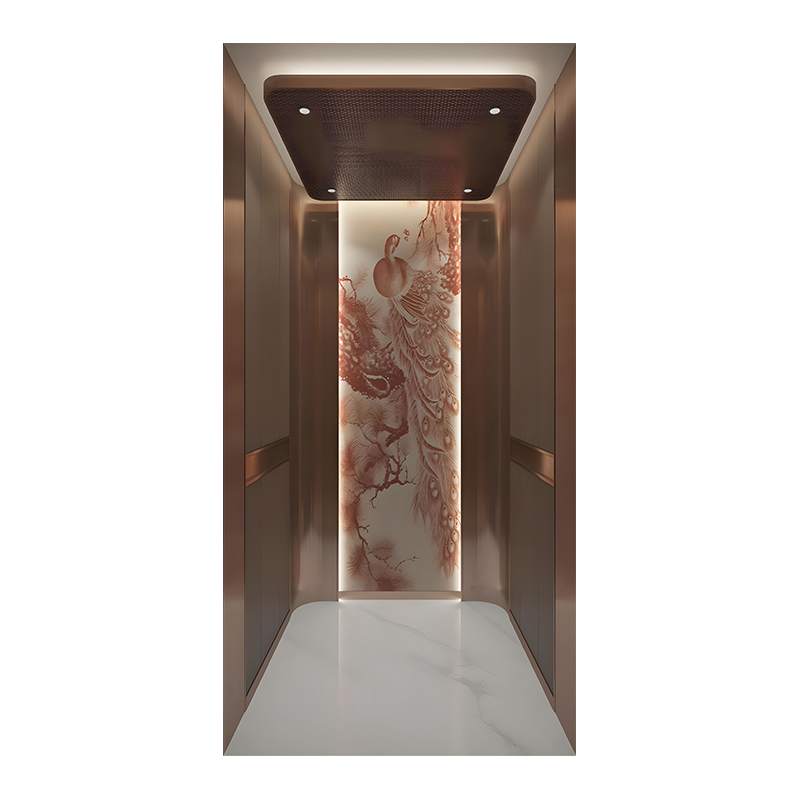
The Electric Passenger Lift operates on the principle of traction, where the car is suspended by high-strength steel ropes that pass over a drive sheave connected to an electric motor. This motor is often controlled by a Variable Frequency Drive (VFD), which ensures smooth acceleration and deceleration, significantly reducing the sensation of jerky starts and stops. One of the most significant advantages of electric lifts is their energy efficiency; as the car descends with a lighter load, the motor acts as a generator, feeding energy back into the building's electrical system. Furthermore, these systems are known for their durability and require less maintenance compared to their hydraulic counterparts, which involve oil management and potential leakage risks. The versatility of electric traction allows for a wide range of travel heights and capacities, making them suitable for low-rise villas as well as mid-rise commercial buildings.
Core Mechanisms and Technology
At the heart of a modern Electric Passenger Lift is the traction machine, which has evolved significantly over the decades. Older models often required a separate machine room to house the bulky motors and control systems. However, advancements in motor technology, particularly the introduction of Permanent Magnet Gearless (PM) motors, have drastically reduced the size and noise of these units. These gearless motors eliminate the need for a gearbox, reducing friction and wear while enhancing efficiency. The control system acts as the brain of the lift, managing dispatch logic, door operations, and safety monitoring. Advanced microprocessors constantly analyze data to ensure optimal performance, preemptively scheduling maintenance alerts before issues become critical.
Benefits for Residential Mobility
Integrating a lift into a residential environment dramatically enhances the quality of life, particularly for multi-generational households or individuals with mobility challenges. A home elevator residential lift provides independence, allowing residents to easily access all levels of their home without the physical strain of climbing stairs. This convenience not only future-proofs the property against aging but also adds significant value to the real estate. Beyond mobility, these lifts facilitate the transport of heavy items such as groceries, laundry, or furniture between floors with ease. In the context of modern home design, a residential lift serves as a luxury statement, blending functionality with high-end interior design.
Enhancing Accessibility in Multi-Story Homes
Accessibility is the primary driver for installing a home elevator residential lift. These lifts are designed to fit within standard floor plans, often requiring minimal structural modification compared to commercial systems.
- Ageing in Place: Allows seniors to remain in their homes longer.
- Injury Prevention: Reduces the risk of falls on staircases.
- Convenience: Simplifies the transport of heavy goods.
- Future Proofing: Increases property marketability.
| Feature | Traditional Stairs | Residential Lift |
| Physical Effort | High | None |
| Safety Risk | Fall hazard | Controlled descent |
| Accessibility | Limited for mobility impaired | Universal access |
| Property Value |
Comparing Residential and Commercial Solutions
While the fundamental technology of vertical transportation remains similar, the application and design parameters differ significantly between a home elevator residential lift and a commercial passenger elevator. Residential units prioritize aesthetic integration, compact footprints, and whisper-quiet operation, as they are often part of the living space. They generally have lower speeds and smaller capacities, typically serving a single family. Conversely, a commercial passenger elevator is designed for high traffic, durability, and rapid transit. These elevators must adhere to stricter building codes regarding fire ratings, earthquake safety, and emergency evacuation protocols. Commercial systems also feature more robust destination control systems to manage passenger flow efficiently during peak hours, such as in an office building or a shopping mall.
The Rise of the Home Elevator Residential Lift
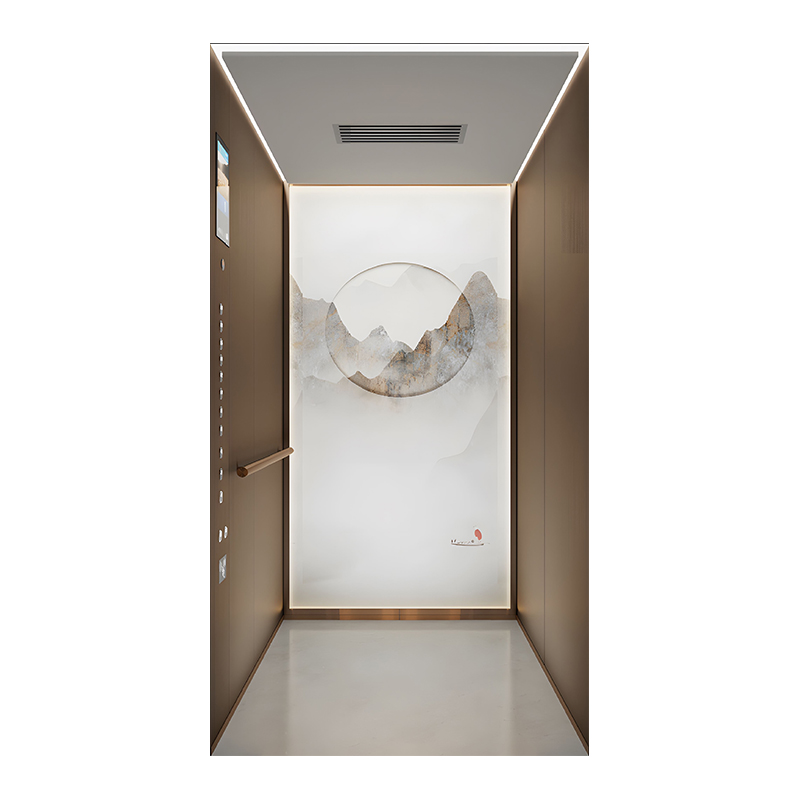
The market for residential elevators has expanded rapidly as custom home building trends favor larger, more luxurious properties. A home elevator residential lift is no longer viewed solely as a medical device but as a lifestyle enhancement. Manufacturers now offer a plethora of customization options, including glass walls, custom cabin finishes, and panoramic views to match the home's decor. The focus is on minimizing the architectural footprint, often utilizing compact rail systems or pit-less designs that can be retrofitted into existing structures without extensive excavation. This adaptability has made home elevators accessible to a wider demographic, transforming them from a rarity into a standard feature in high-end residential construction.
Design Integration in Modern Architecture
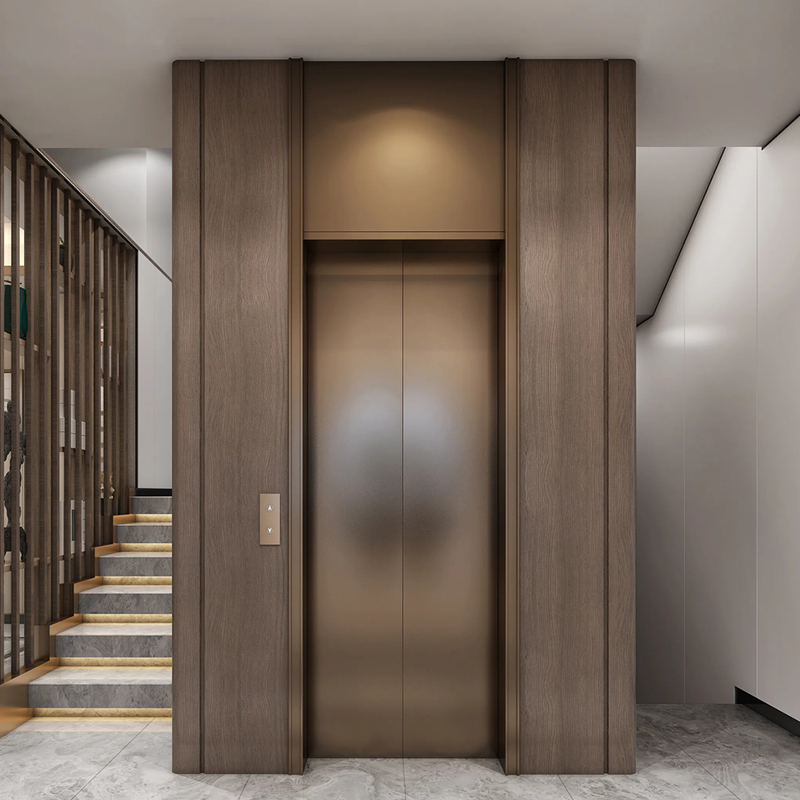
Modern architecture demands that a home elevator residential lift complements the interior design rather than detracting from it. This involves the use of transparent materials and hidden guide rails.
- Hidden Components: Machinery and rails are often concealed within walls.
- Material Choice: Use of glass, wood, and polished steel.
- Lighting: LED integration for ambiance and visibility.
- Space Saving: Minimal footprint designs to maximize floor space.
| Design Element | Traditional Lift | Modern Home Lift |
| Cabin Walls | Metal or Painted Drywall | Glass, Wood, or Acrylic |
| Control Panel | Door Style | Noise Level |
Features of a Commercial Passenger Elevator
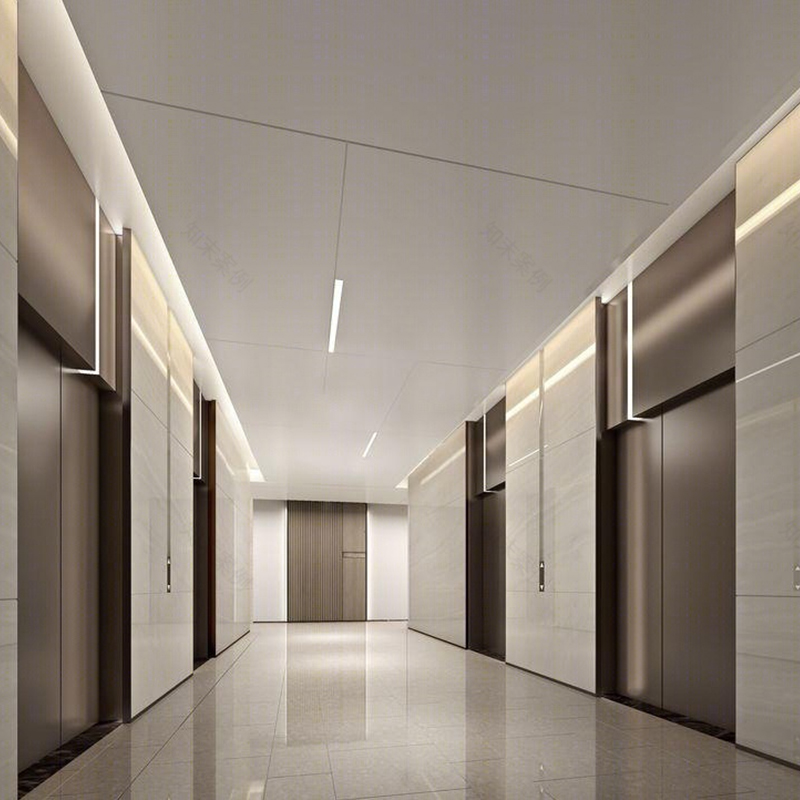
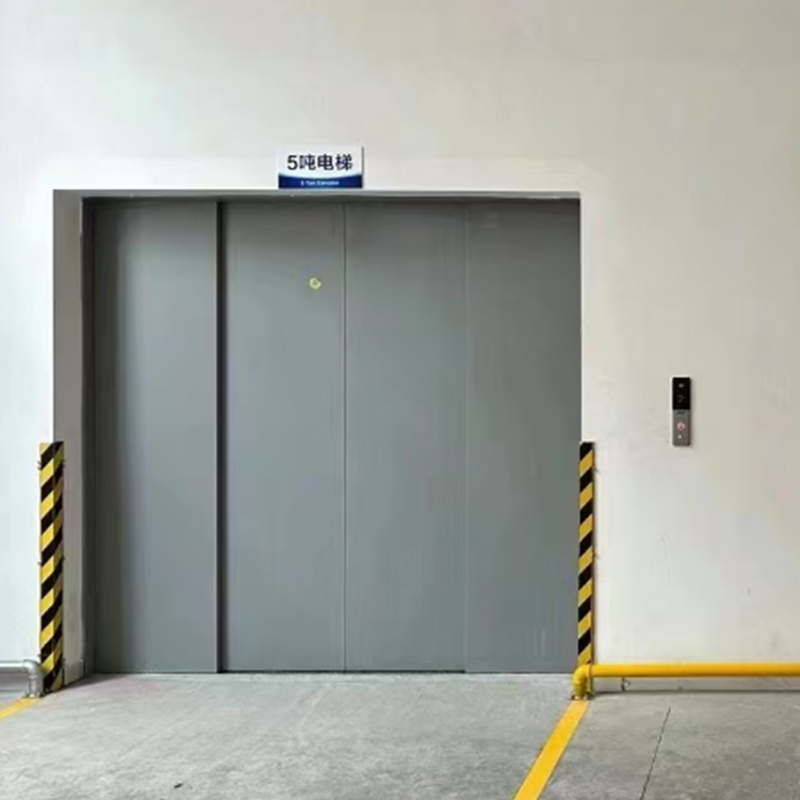
A commercial passenger elevator is engineered to withstand the rigors of constant use. These systems prioritize passenger throughput and safety redundancy. They are equipped with heavy-duty doors that can withstand high traffic frequency and advanced signalization systems that group passengers going to the same floor to reduce travel time. Moreover, commercial elevators often incorporate sophisticated safety features such as redundant brakes, overspeed governors, and automatic rescue devices that lower the car to the nearest floor in the event of a power outage. The aesthetic is generally more utilitarian, focusing on durability and ease of cleaning, though high-end commercial installations, such as those in luxury hotels, do exist.
Heavy-Duty Performance and Safety Standards
The regulatory environment for a commercial passenger elevator is far more stringent than for residential units. Compliance with local and international safety codes is mandatory.
- Traffic Handling: Algorithms to manage rush hour traffic.
- Load Capacity: Higher weight limits for goods and people.
- Fire Safety: Integration with building fire suppression systems.
- Durability: Components designed for 24/7 operation cycles.
| Specification | Commercial Lift | Residential Lift |
| Typical Capacity | 1000kg - 2000kg+ | 250kg - 450kg |
| Speed | Use Cycle | Codes |
Advanced Design and Configuration
One of the most significant architectural innovations in vertical transportation is the machine room less lift (MRL). Historically, elevators required a dedicated room at the top of the shaft to house the motor and control equipment. This took up valuable building space and complicated the roof design. The MRL technology integrates the traction machine and controller within the hoistway itself, usually at the top rail. This design not only frees up the machine room for other uses but also reduces construction costs associated with building a separate structural room. MRL lifts are highly versatile and are now the standard for both low-rise commercial buildings and luxury residences, offering a clean, space-saving solution without compromising on performance.
Advantages of Machine Room Less Lift
The machine room less lift offers distinct advantages in terms of energy efficiency and architectural freedom. By eliminating the machine room, the visual impact on the building's exterior is minimized, which is crucial for villas or heritage buildings. Additionally, since the motor is located within the shaft, the distance for electrical cabling is reduced, and the need for ventilation for the machine room is eliminated. Modern gearless motors used in MRL systems are compact yet powerful, capable of handling the travel heights required for most mid-rise applications. This configuration also simplifies the maintenance process, as technicians can access the machinery from within the car or the top of the car, reducing the need for roof access.
Space Efficiency and Installation Flexibility
When choosing an machine room less lift, the primary benefit is the maximization of usable floor space. This is particularly valuable in urban environments where real estate is at a premium.
- No Penthouse: Eliminates the need for a rooftop machine room.
- Design Freedom: Architects have more flexibility with rooflines.
- Lower Cost: Reduced structural work and material costs.
- Energy Saving: Smaller, more efficient motors consume less power.
| Feature | Machine Room (MR) Lift | MRL Lift | ||
| Space Usage | Requires dedicated room | Construction Cost | Aesthetics | Maintenance Access |
Aesthetics of a Glass Panoramic Elevator
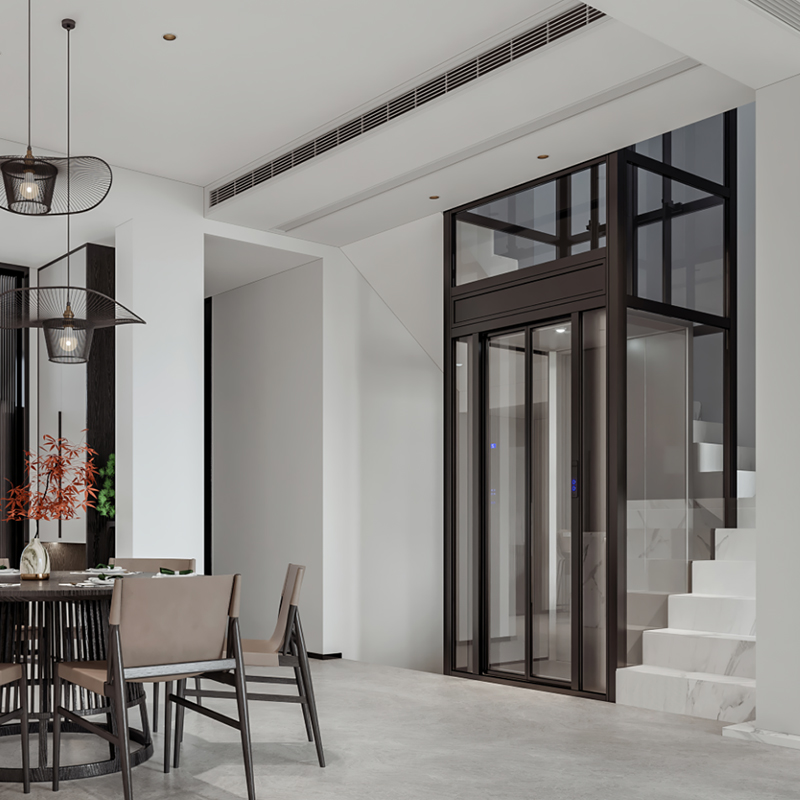
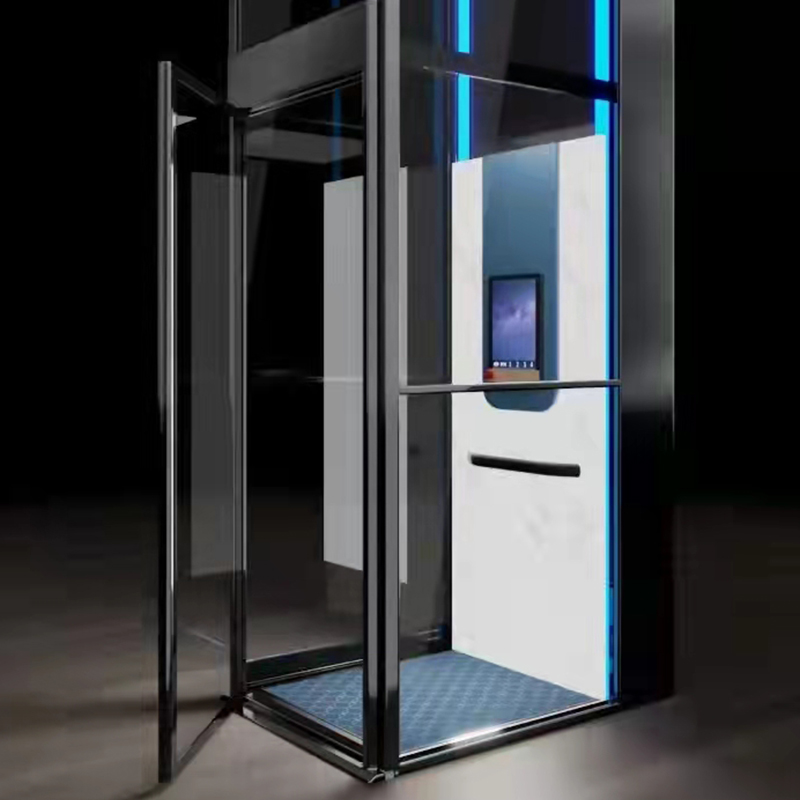
For those seeking to make a visual statement, a glass panoramic elevator is the ultimate choice. These elevators feature transparent walls, often made of laminated safety glass, which allows passengers to enjoy views of the surroundings as they travel. In a villa setting, this could mean a view of the garden or the interior courtyard; in a commercial atrium, it becomes a focal point of architectural beauty. Beyond aesthetics, the transparency of glass elevators creates a sense of openness and can make smaller spaces feel larger. The engineering of these lifts requires special attention to thermal insulation and privacy features, such as switchable glass films, but the dramatic visual impact they provide is unmatched.
Maximizing Natural Light and Views
A glass panoramic elevator serves a dual purpose: functionality and illumination. The glass shaft acts as a light well, potentially reducing the need for artificial lighting in the elevator lobby.
- Visual Appeal: Creates a stunning architectural centerpiece.
- Light Transmission: Allows natural light to penetrate the shaft.
- Spacious Feel: Transparent walls eliminate the claustrophobic feel.
- Custom Shapes: Can be cylindrical or square with rounded corners.
| Design Aspect | Standard Shaft | Glass Panoramic | |
| Material | Lighting | Experience | Installation Cost |
Innovation at Suzhou Dongao Home Elevator Co., Ltd.
Suzhou Dongao Home Elevator Co., Ltd. has established itself as a premier manufacturer in the vertical transportation industry, distinguishing itself through a commitment to innovation and quality. Located in Qidu, known as the "Silicon Valley of China's lift industry," the company benefits from a rich ecosystem of technological expertise and supply chain resources. With a sprawling plant area of 17,000 square metres and a dedicated team of over 100 professionals, Dongao has the capacity and capability to produce world-class elevator systems. As a comprehensive enterprise integrating R&D, production, sales, installation, and maintenance, they provide a full-service experience to their clients. This holistic approach ensures that every Electric Passenger Lift leaving their facility meets the highest standards of safety and performance, backed by robust after-sales support.
German Engineering and Patented Technology
At the core of Suzhou Dongao Home Elevator Co., Ltd.'s success is the integration of advanced German technology. The company has comprehensively introduced Germany's advanced lift production technology and production equipment, ensuring precision engineering in every component. This adoption of international standards is bolstered by their self-developed patented technology, which empowers industry innovation breakthroughs. By combining German mechanical precision with modern efficient management modes, Dongao optimizes productivity and quality control. Their dedication to R&D supports the ambition of being a local lift industry pioneer, constantly pushing the boundaries of what a home elevator can offer in terms of safety, speed, and comfort.
A Legacy of High-End Customization
Dongao focuses specifically on the high-end villa lift market, which has become the honourable choice for nearly 5000 high-end villas and private residence owners. Their philosophy centers on the idea that "fashionable touch, luxury custom, and details determine the quality." Whether a client requires a glass panoramic elevator to showcase their villa's architecture or a compact machine room less lift for efficient space utilization, Dongao provides customized intelligent solutions. Their products are positioned as high-end quality, designed with "the heart of wisdom" to ensure that every square inch reflects exquisite luxury. This client-centric approach has allowed them to cover nearly 30 provinces in China and establish a network of nearly 200 agents, many of whom have opened demonstration showrooms in major cities like Shanghai, Fujian, and Jinan.
Serving 5000+ High-End Villas
The extensive reach of Suzhou Dongao Home Elevator Co., Ltd. is a testament to their product reliability and customer satisfaction. They have successfully implemented projects in diverse regions, including Shanghai, Suzhou, Changzhou, and Taicang.
| Achievement | Details |
| Customer Base | |
| Market Coverage | |
| Sales Network | |
| R&D Facility |
FAQ
What is the difference between a Home Elevator Residential Lift and a commercial lift?
The primary difference lies in their intended use and design specifications. A home elevator residential lift is designed for lower traffic, typically carrying 2-4 people, and prioritizes aesthetic integration and quiet operation within a private residence. A commercial lift is built for high traffic, higher speeds, and stricter code compliance for public safety.
Does a Machine Room Less Lift require more maintenance?
No, generally a Machine Room Less Lift does not require more maintenance. In fact, because they use modern gearless motors with fewer moving parts than traditional traction elevators, they can be very reliable. However, because the machinery is located inside the shaft, technicians may need to access the car top for some maintenance tasks.
Is a Glass Panoramic Elevator safe for residential use?
Yes, a Glass Panoramic Elevator is perfectly safe. They use laminated safety glass, similar to windshields in cars, which is extremely strong and designed to shatter safely without breaking into sharp pieces. They must adhere to the same strict safety codes and regulations as standard enclosed elevators.
How long does it take to install an Electric Passenger Lift?
The installation time varies depending on the complexity of the project and whether it is a new build or a retrofit. For a typical home elevator residential lift, the process can take anywhere from a few weeks to a few months, including design approval, shaft construction, and final testing. Commercial installations generally take longer due to the larger scale and more complex building integration.
-
 Founding Road, Qidu Linhu Economic Zone, Wujiang City, Jiangsu Province, China
-
 [email protected]
-
 +86 15301576876/+86 0512-63818375
QR CODE

