


 En
En English
 русский
 Español
 عربى
عربى
What is a Traction Gantry Panoramic Sightseeing Elevator?
Posted by Admin | 02 Feb
Content
- 1 Introduction: Redefining Vertical Travel with a View
- 2 Core Technology: Understanding the Traction Gantry System
- 3 Customization: Crafting Your Unique Skyview Experience
- 4 Implementation and Longevity: From Blueprint to Reality
- 5 Making an Informed Choice: Traction vs. Alternative Systems
- 6 FAQ
- 6.1 What is the main advantage of a traction system over a hydraulic one for a panoramic elevator?
- 6.2 How much does a custom traction gantry panoramic elevator typically cost?
- 6.3 Can a traction gantry panoramic elevator be installed on the outside of an existing building?
- 6.4 What kind of maintenance is required for the glass portion of the elevator?
Introduction: Redefining Vertical Travel with a View
The modern architectural landscape is no longer just about the buildings themselves but the experiences they facilitate. The traction gantry panoramic sightseeing elevator stands as a pinnacle of this philosophy, transforming a mundane vertical transit function into a captivating journey and a defining architectural statement. These elevators, with their transparent cabins offering uninterrupted 360-degree views, are engineered to do more than move people between floors—they create moments of awe, enhance the value of a space, and serve as a dynamic centerpiece for hotels, commercial towers, observation decks, and luxury residences. At the heart of this seamless fusion of breathtaking views and reliable operation lies the sophisticated traction gantry drive system. This technology provides the silent, smooth, and powerful muscle needed to lift substantial glass cabins to great heights, all while ensuring passenger comfort and absolute safety. For architects, developers, and property owners, integrating such a system is a significant decision that blends artistic vision with complex engineering. It requires a deep understanding of structural demands, precise design specifications, and a commitment to creating not just a mode of transport, but an unforgettable experiential feature that elevates the entire project's stature.
- Architectural Iconography: These elevators often become the visual signature of a building, attracting attention and defining its modern character.
- Experience-Centric Design: The primary goal shifts from mere transportation to providing a memorable visual and sensory journey for every passenger.
- Engineering Marvel: Achieving stunning aesthetics requires equally stunning engineering, particularly in the seamless integration of the drive system with delicate glass structures.
Core Technology: Understanding the Traction Gantry System
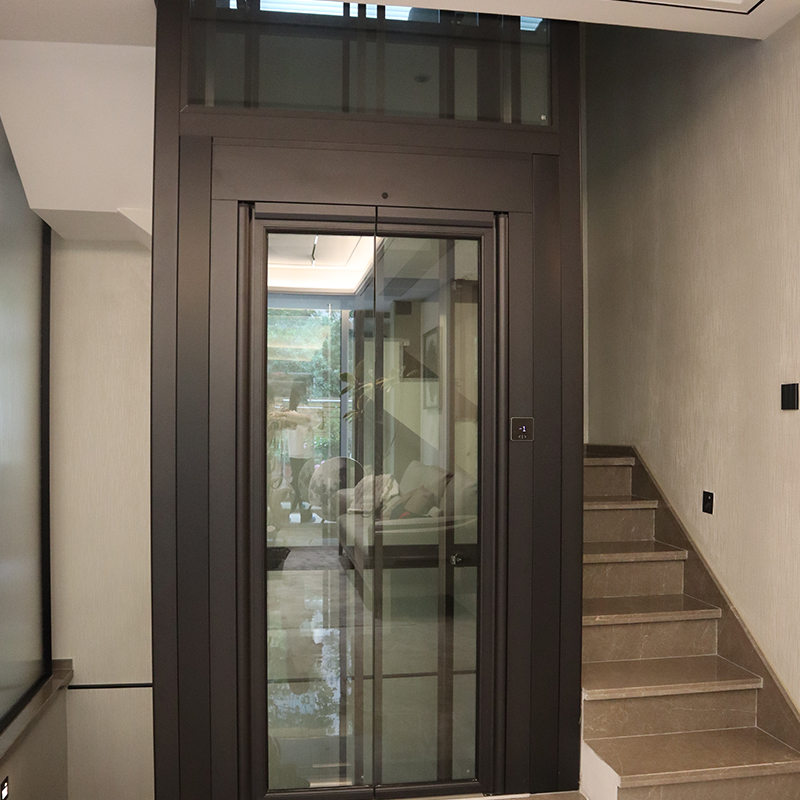
The reliability and performance of a panoramic elevator are fundamentally anchored in its drive system. The traction gantry panoramic sightseeing elevator utilizes a proven and efficient roping system. This system operates on the principle of friction: steel ropes, attached to the top of the elevator car, are looped over a driving sheave (a grooved wheel) connected to a high-torque electric motor. The ropes then extend down to a counterweight that travels in its own guided path within the hoistway. As the motor turns the sheave, friction between the sheave grooves and the ropes causes the car to ascend or descend, with the counterweight balancing the load to significantly reduce the motor's energy requirement. This setup, known for its efficiency and smooth ride quality, is particularly well-suited for the demanding requirements of panoramic lifts, which often involve substantial cabin weight due to extensive glass use and must operate flawlessly over many floors. The gantry refers to the robust steel framework that typically houses the drive machinery and provides the primary structural support for guiding the car's movement, ensuring stability even in exterior applications exposed to environmental elements.
- Key Components: Traction machine (motor and sheave), suspension ropes, counterweight, guide rails, and the safety gear system.
- Principle of Operation: A balance of forces between the car (loaded) and the counterweight reduces energy consumption, while the friction drive allows for precise control of speed and positioning.
Key Design Specifications for Traction Gantry Panoramic Elevators
When planning a traction gantry panoramic sightseeing elevator, a detailed set of design specifications forms the blueprint for success. These specifications ensure the system meets aesthetic desires, functional requirements, and stringent safety codes. Critical parameters include the rated load, which must account for the weight of the passengers plus the heavy glass cabin; the travel speed, chosen to maximize efficiency while providing a leisurely view; and the total rise, which dictates the power and rope requirements of the traction machine. The structural design of the panoramic cabin itself is paramount, involving calculations for wind load (for exterior units), thermal stress on the glass, and the integration point between the cabin frame and the guiding system. Furthermore, the hoistway's dimensions must accommodate not just the cabin but also the counterweight, guide rails, and sufficient clearance for maintenance, all of which are integral parts of the comprehensive design specifications package that dictates feasibility and final performance.
- Capacity & Speed: Typical loads range from 1000kg to 2000kg, with speeds from 0.5 m/s for low-rise luxury applications to over 1.0 m/s for tall buildings.
Structural & Dimensional:
- Includes hoistway plan dimensions, overhead and pit requirements, glass type and thickness (often laminated for safety), and door opening configurations.
Advantages of Traction Gantry for High-Rise Applications
For high-rise building panoramic elevator projects, the traction gantry system is often the default and superior choice. Its scalability and efficiency make it uniquely capable of meeting the challenges of significant height. Unlike hydraulic systems, which are impractical beyond a limited number of stories, traction systems can efficiently serve dozens of floors. The energy efficiency gained from the counterweight balance becomes increasingly significant with frequent use in a tall building, leading to lower operational costs. Furthermore, traction drives offer a wider range of speed control, enabling smoother acceleration and deceleration profiles that enhance passenger comfort during long ascents or descents. The system's ability to handle the dynamic loads and precise leveling requirements of a tall structure, while maintaining the flawless operation expected of a premium architectural feature, solidifies its position as the engineering backbone for iconic high-rise building panoramic elevator installations around the world.
Customization: Crafting Your Unique Skyview Experience
The true magic of a panoramic elevator lies in its ability to be uniquely tailored. A customized panoramic elevator goes beyond a standard glass box; it is a bespoke element that reflects the architectural language and ambience of its surroundings. The process begins with the cabin's geometry—will it be a classic cylinder, a sweeping curved front, or a daring angular shape? The choice of glass is next, with options for tinting, frit patterns, or even switchable smart glass that transitions from transparent to opaque. Interior finishes can range from minimalist stainless steel and ambient LED lighting to luxurious wood panels and integrated multimedia displays. Crucially, this customization extends to the integration with the traction gantry system. The structural connections, door systems, and even the placement of mechanical components must be meticulously engineered to preserve the intended visual purity and uninterrupted views, proving that a successful customized panoramic elevator is a symphony of design and engineering working in perfect concert.
- Exterior Form: Shapes are limited only by engineering and imagination, including cylindrical, rectangular with curved glass, or tapered designs.
- Interior Ambiance: Custom flooring, handrail materials, lighting control scenes, and audio systems can be specified to match the building's luxury standards.
- Technological Integration: Options include touchless controls, destination dispatch systems, and informational displays synchronized with the building's floors.
Implementation and Longevity: From Blueprint to Reality
The journey of a traction gantry panoramic sightseeing elevator from concept to reliable daily service hinges on meticulous execution and ongoing care. The installation and maintenance for gantry traction sightseeing lifts are specialized disciplines that demand high expertise. Installation is a multi-phase operation starting with precise verification of the hoistway structure built by others. The gantry frame and guide rails must be installed with laser-level accuracy, as any deviation can affect ride smoothness and noise. The delicate assembly of the glass cabin requires skilled technicians to handle and seal large panels securely. Final commissioning involves rigorous testing of all safety systems, speed profiles, and door operations. Once operational, a proactive maintenance regimen is non-negotiable. This goes beyond standard elevator upkeep to include specialized checks for the panoramic elements, ensuring the long-term integrity, safety, and pristine appearance of the installation. A comprehensive plan for installation and maintenance for gantry traction sightseeing lifts is the ultimate guarantee of performance, safeguarding the significant investment and preserving the guest experience for years to come.
- Installation Precision: Critical path includes hoistway preparation, gantry/rail erection, mechanical/electrical fit-out, cabin assembly, and final adjustment.
- Specialized Maintenance: Routine tasks include inspection of glass seals and structural bonds, cleaning system checks for glass, specialized lubrication for guide rails, and performance verification of the traction drive and control system.
Making an Informed Choice: Traction vs. Alternative Systems
Selecting the right drive system is a fundamental decision in any elevator project. For panoramic applications, the choice often narrows to traction versus hydraulic systems, each with distinct cost and performance profiles. A thorough traction vs hydraulic panoramic elevator cost comparison must look beyond the initial purchase price. The total cost of ownership encompasses installation complexity, energy consumption over the system's lifespan, and anticipated maintenance expenses. Hydraulic systems, while sometimes having a lower initial equipment cost for very low-rise applications (typically 2-5 stories), are less energy-efficient, require more dedicated space for a machine room and oil cylinder, and can have higher long-term maintenance costs related to hydraulic fluid and seals. The traction vs hydraulic panoramic elevator cost comparison becomes decisively favorable for traction in most scenarios involving multiple floors, higher speeds, or frequent use, due to its superior efficiency, smaller footprint, and greater suitability for high-rise building integration.
| Factor | Traction Gantry System | Hydraulic System |
| Initial Investment (Equipment & Install) | Moderate to High | Often Lower (for low-rise) |
| Energy Efficiency | High (due to counterweight) | Lower |
| Maximum Practical Rise | Virtually unlimited | Limited (usually ≤ 6 floors) |
| Operating Speed | Faster (≥ 0.5 m/s) | Slower (typically ≤ 0.5 m/s) |
| Space Requirements | Requires overhead hoistway space | Requires machine room & borehole |
| Long-Term Maintenance | Generally predictable, lower energy cost | Includes hydraulic fluid and seal maintenance |
FAQ
What is the main advantage of a traction system over a hydraulic one for a panoramic elevator?
The primary advantage is efficiency and suitability for height. Traction systems use a counterweight, which balances the load of the elevator car, drastically reducing the energy required by the motor. This makes them significantly more energy-efficient, especially for buildings with more than five or six floors or with frequent elevator usage. Furthermore, traction systems are the only viable option for high-rise building panoramic elevator projects, as hydraulic systems are mechanically limited to lower rises. They also offer smoother, faster rides and generally have a smaller physical footprint in the building's lower levels compared to the machine room and cylinder requirements of a hydraulic system.
How much does a custom traction gantry panoramic elevator typically cost?
Providing a single price is impossible due to the high degree of customization, but understanding the cost drivers is key. The total cost is influenced heavily by the project's design specifications: the total travel height (more floors = higher cost), the size and custom shape of the glass cabin, the quality of interior finishes, and the complexity of the installation site. A comprehensive traction vs hydraulic panoramic elevator cost comparison should also factor in long-term energy usage, which favors traction. Generally, one should budget significantly more for a customized panoramic elevator with a traction drive than for a standard passenger elevator, as it involves specialized engineering, materials (like structural glass), and installation expertise. Detailed quotations from specialized suppliers are essential after defining the project's scope.
Can a traction gantry panoramic elevator be installed on the outside of an existing building?
Yes, this is a common and stunning application, often called an exterior or facade elevator. However, it presents added complexity. The installation requires a dedicated structural engineer to design a support frame or reinforced hoistway attached to the building's facade, capable of handling wind loads, seismic forces, and the dynamic loads of the moving elevator. The design specifications must account for weatherproofing of all components, from the glass seals to the traction machinery, which may be housed in a rooftop enclosure. Maintenance access also needs careful planning. While challenging, retrofitting an existing building with an exterior traction gantry panoramic sightseeing elevator can dramatically transform its aesthetic and functional value.
What kind of maintenance is required for the glass portion of the elevator?
Maintaining the panoramic components is a specialized aspect of the overall installation and maintenance for gantry traction sightseeing lifts. It involves regular inspection of the structural seals and bonding that hold the glass panels to the cabin's frame, looking for any signs of degradation, cracking, or water ingress. Automated cleaning systems, if installed, need their brushes, nozzles, and fluid levels checked. The glass itself may require periodic professional cleaning to remove hard water spots or environmental grime without scratching the surface. Furthermore, guides and mechanisms for any glass doors must be kept clean and properly adjusted. This specialized care ensures the elevator's breathtaking views remain clear and its structural integrity remains intact for decades.
-
 Founding Road, Qidu Linhu Economic Zone, Wujiang City, Jiangsu Province, China
-
 [email protected]
-
 +86 15301576876/+86 0512-63818375
QR CODE

