


 En
 English
 русский
 Español
 عربى
High-Rise Traction: Balancing Speed, Comfort & Cable Wear in Multi-Story Villas
Posted by Admin | 26 Oct
Content
- 1 Why Multi-Story Villas Demand More Than a Simple Home Lift
- 2 Speed, Comfort, and Cable Wear: The Trade-Offs That Matter
- 3 What Causes Cable Wear in High-Rise Traction Systems?
- 4 Space Constraints in Existing Multi-Story Villas
- 5 Key Variables When Planning a High-Rise Villa Traction System
- 6 Maintenance That Keeps Speed and Cable Wear Under Control
- 7 FAQs: High-Rise Traction for Multi-Story Villas
A multi-story villa transforms an elevator from an occasional convenience into a daily workhorse. With several floors connected by a single vertical shaft, the drive system must fulfil three conflicting demands: speed, comfort, and cable wear. High-rise traction solutions are designed to reconcile these priorities, and understanding how they work together helps owners make better decisions before installation.
Why Multi-Story Villas Demand More Than a Simple Home Lift
The distance travelled in a two-story home is short, and the loads are lower. A four- or five-story villa is a different world. The elevator car must accelerate gently, run quietly at a stable speed, and repeat the duty cycle many times a day. The longer travel height also increases the amount of rope or belt that passes over the traction sheave, so every component must be engineered for higher cumulative movement.
Traction gantry structures are often used in these installations because they provide a stable frame for the car and counterweight. The gantry design helps transfer loads evenly to the guide rails, reducing vibration and preserving alignment over time. For a villa with multiple stops, this stability is valuable.
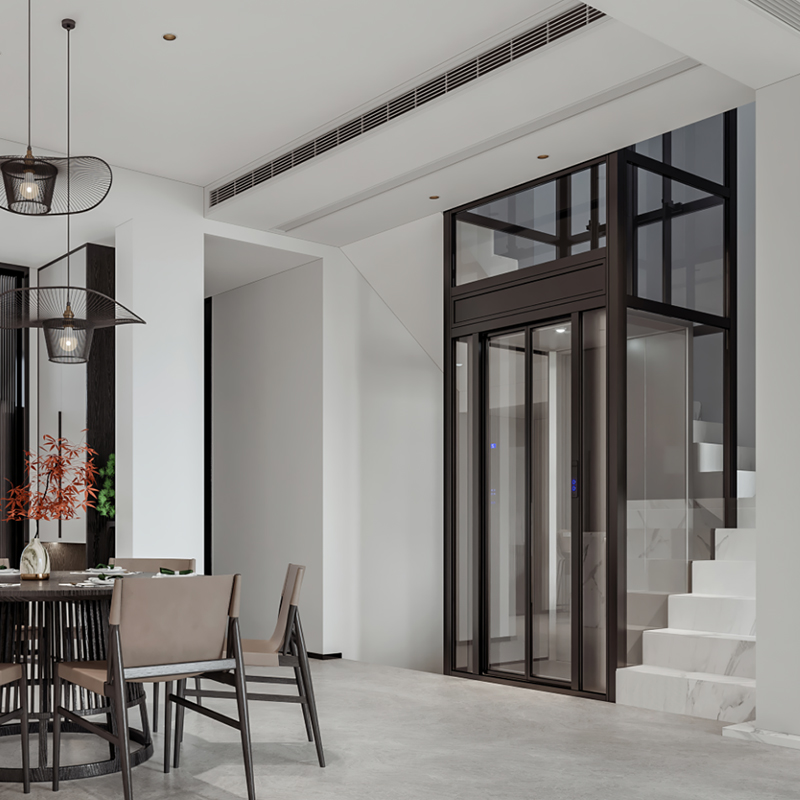
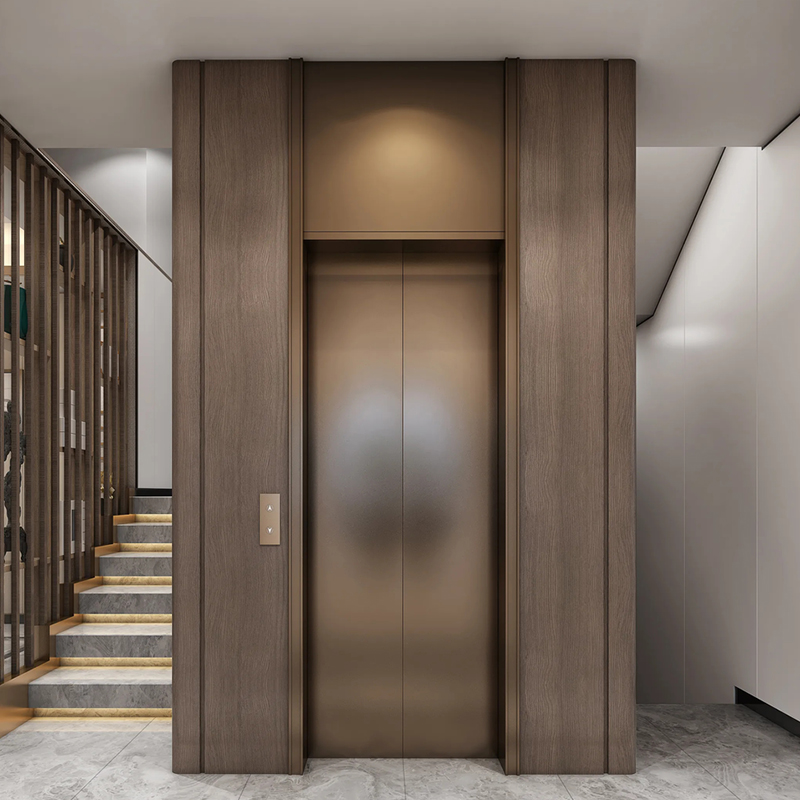 Custom Traction Gantry Elevator for Multi-Stop VillasThis manufacturer offers custom traction gantry elevators designed for stable, quiet villa installations. The stable frame and even load transfer help reduce vibration, making it ideal for multi-stop homes where ride comfort and long-term cable durability matter.View Product →
Speed, Comfort, and Cable Wear: The Trade-Offs That Matter
Speed is obvious: residents do not want to wait a long time for the elevator. Yet higher speed in a home elevator is counterproductive if it makes the cabin noisier or more difficult to ride. Comfort depends on acceleration, deceleration, jerk rate, vibration isolation, and door timing. Cable wear, meanwhile, is the quiet factor that owners discover years later when ropes or belts need early replacement.
The table below summarises how traction technology addresses each of these demands in a high-rise villa environment.
| Demand | Residential Expectation | How Traction Systems Respond |
|---|---|---|
| Speed | Short travel time without harsh starts | Variable-frequency control adjusts speed smoothly and limits acceleration shocks |
| Comfort | Low noise, low vibration, stable cabin | Counterweight and gantry frame reduce motor load and structural vibration |
| Cable Wear | Long service intervals and predictable replacement | Proper sheave diameter, groove geometry, and fleet angle reduce rope fatigue |
Unlike a single-speed machine, a modern traction drive uses variable-voltage variable-frequency control. This allows the motor to start softly, reach the desired speed, and slow down without jolting passengers. In a multi-story villa, the rated speed is usually lower than a commercial elevator, but the quality of every movement matters more. When the drive system is matched to the building, passengers notice neither speed nor cable wear; they simply experience a quiet, comfortable ride.
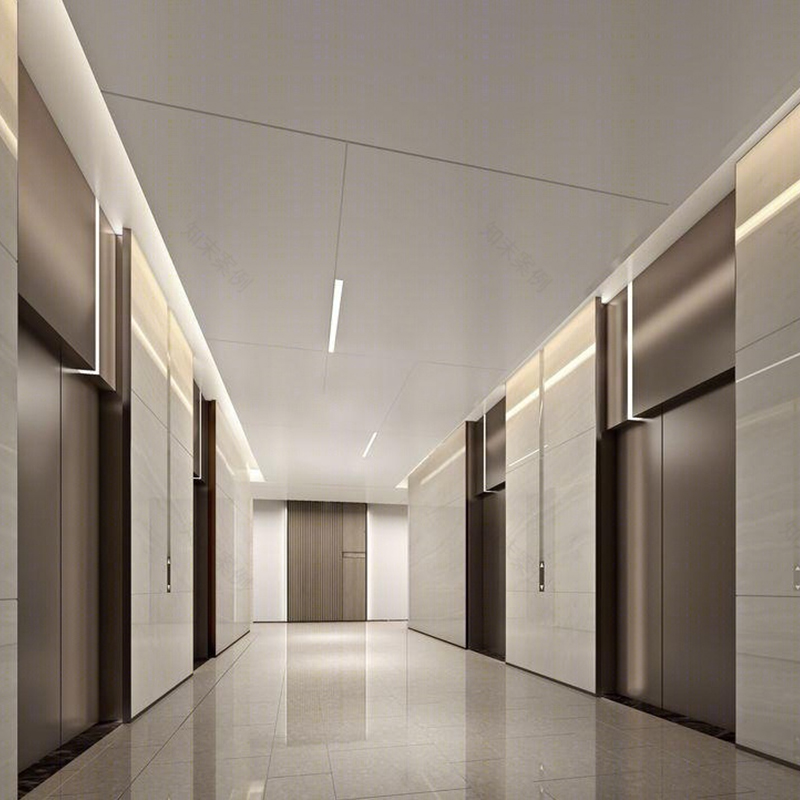 Custom Energy-Efficient Passenger Elevators with IoT MonitoringA modern traction passenger elevator with variable-voltage variable-frequency control ensures smooth, low-noise rides and reduced energy use. Safety systems, IoT remote monitoring, and customizable interiors make it a strong option for villa and commercial projects focused on comfort and maintenance efficiency.View Product →
What Causes Cable Wear in High-Rise Traction Systems?
Cable wear is not a single event but a combination of bending fatigue, pressure, and friction. As the elevator travels, the cables or steel belts bend repeatedly over the traction sheave and deflect back to straight. The smaller the sheave diameter compared to the cable diameter, the higher the bending stress. Over thousands of cycles, this stress breaks individual wires inside the rope.
Sheave Diameter and Bending Fatigue
Larger sheave diameters reduce bending stress and extend cable life. A well-designed traction system chooses sheave and groove dimensions that fit the rated load and travel height, rather than using a one-size-fits-all component. The ratio between sheave diameter and rope diameter is a key design indicator, and responsible manufacturers follow standards that keep it high enough for service life.
Fleet Angle and Alignment
If the cable enters the traction sheave at an angle, the edge of the groove wears the outer strands. Correct fleet angle and carefully aligned deflectors keep the cable centered. Even a small misalignment can increase friction and create fine particles, which accelerate wear on both the rope and the sheave.
Cable wear is also influenced by the tensile force in each suspension rope. If one rope is tighter than the others, it carries a disproportionate load and fatigues faster. This is why service technicians measure rope tension during every maintenance visit and adjust the terminations as needed.
High-rise traction solutions succeed when speed, comfort, and cable wear are designed together rather than solved separately.
Space Constraints in Existing Multi-Story Villas
Many multi-story villas are not planned around an elevator shaft. Homeowners may have a narrow stairwell, a low basement ceiling, or no dedicated machine room. In these projects, the elevator system must fit the building rather than the other way round. Machine-roomless traction drives, compact platform lifts, and shallow-pit configurations all reduce installation obstacles.
Another important condition is the pit depth. Traction elevators typically require a pit that can house the buffer and provide access for maintenance. In existing villas with shallow cellars, a special low-pit configuration may be used. Likewise, low-headroom designs control the space above the car when the ceiling is limited. These options allow traction technology to be installed where a conventional lift would not fit.
Retrofitting a traction elevator into an existing home requires close attention to shaft geometry, headroom, and electrical supply. A custom design and layout plan ensures the drive unit, guide rails, and counterweight are placed where they cause least disruption. This is also the moment to avoid future cable wear by checking sheave positions and rope terminations.
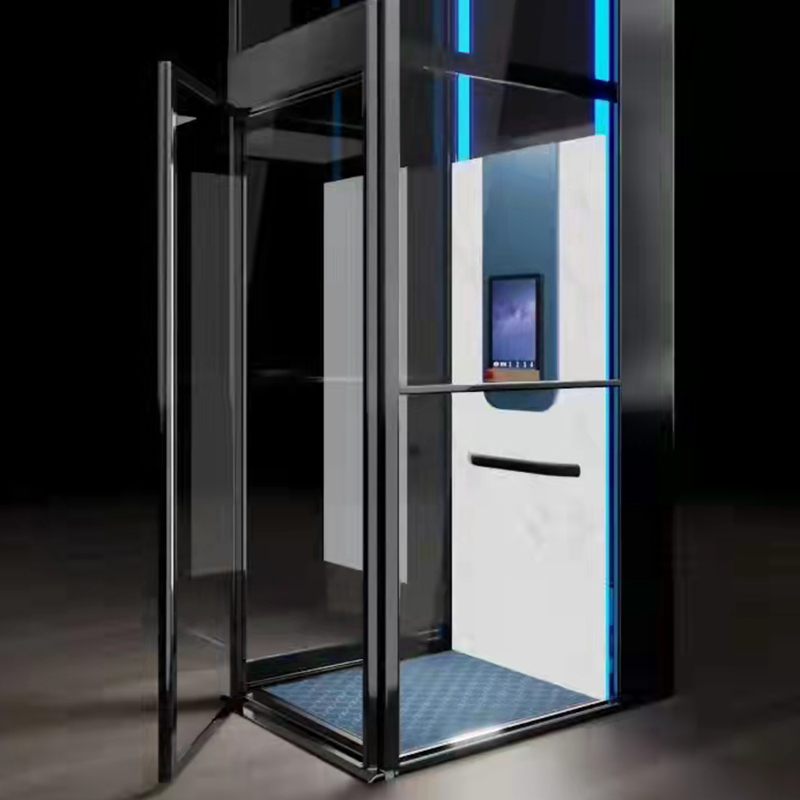 Custom Traction Platform Elevator for Residential FitThis traction platform elevator is suited for residential retrofits where shaft geometry and headroom vary. The manufacturer provides custom layout planning to minimize disruption and supports efficient, energy-saving vertical transport for high-end homes, helping owners match the right system to their building and lifestyle.View Product →
Key Variables When Planning a High-Rise Villa Traction System
Every villa has its own set of constraints. The right traction system depends on more than rated speed; it must match the physical building and the family's habits. The following variables should be discussed with the manufacturer before finalising the design.
- Travel height and number of stops define the required rope length and motor capacity.
- Daily usage frequency determines the duty cycle and the need for stronger components.
- Available shaft dimensions affect the choice between a gantry frame, platform arrangement, or passenger-style cabin.
- Bottom pit and top headroom dimensions decide whether low-pit or low-headroom versions are needed.
- Cabin size, door opening width, and interior finishes influence the total weight and suspension configuration.
- Power supply and control system preferences may require a machine-roomless design.
Taking these variables into account early helps avoid later modifications that can compromise cable alignment or comfort.
Maintenance That Keeps Speed and Cable Wear Under Control
Once a high-rise traction elevator is operating, maintenance is the factor that protects both comfort and cable life. Rope tension must be balanced between multiple suspension points. Grooves in the traction sheave should be inspected for wear because changes in groove shape change cable pressure. Guide rails need consistent lubrication to keep the ride smooth.
A Practical Service Checklist for Villa Elevators
- Measure and record rope tension, diameter, and visible condition at scheduled intervals.
- Inspect the traction sheave grooves for uneven wear or glazing.
- Verify that acceleration and deceleration are still within the original comfort settings.
- Test door operators, emergency communication, and safety devices regularly.
- Review the controller diagnostic logs for unusual running time or torque values.
Remote monitoring systems can alert the service team to abnormal motor torque or repeated door faults. Early detection prevents small issues from becoming cable damage or emergency breakdowns. By combining these checks with the manufacturer's recommended service package, owners protect both ride quality and long-term operating costs.
FAQs: High-Rise Traction for Multi-Story Villas
Q1: What is the ideal speed for a multi-story villa elevator?
A rated speed of 0.4 to 0.63 metres per second is usually sufficient for residential applications. Smooth acceleration and low vibration contribute more to perceived speed than the top speed itself.
Q2: How can I reduce cable wear in a traction villa elevator?
Choose a system with correctly sized sheaves, maintain proper fleet angle, balance rope tension, and follow a regular maintenance schedule that includes groove inspection.
Q3: Is a machine room essential for a high-rise villa traction elevator?
No. Machine-roomless designs place the traction machine in the shaft or a compact ceiling space, making them suitable for existing homes that lack a traditional machine room.
High-rise traction solutions for multi-story villas are more than an engineering choice; they are a quality-of-life decision. By balancing speed, comfort, and cable wear from the start, homeowners receive an elevator that feels stable, rides quietly, and stays economical over time. Whether the building is new or being retrofitted, selecting a traction system with thoughtful design and routine maintenance is the key to long-term performance.



-
 Founding Road, Qidu Linhu Economic Zone, Wujiang City, Jiangsu Province, China
-
 [email protected]
-
 +86 15301576876/+86 0512-63818375
QR CODE

