


 En
En English
 русский
 Español
 عربى
عربى
What Is a Commercial Freight Elevator?
Posted by Admin | 23 Feb
Content
- 1 Commercial Freight Elevator Basics
- 2 Commercial Freight Elevator for Warehouse Use
- 3 Small Commercial Freight Elevator Cost
- 4 Commercial Freight Elevator Weight Capacity
- 5 Indoor Commercial Freight Elevator Installation
- 6 Commercial Freight Elevator vs Passenger Elevator
- 7 Professional Manufacturing and Engineering Capability
- 8 FAQ
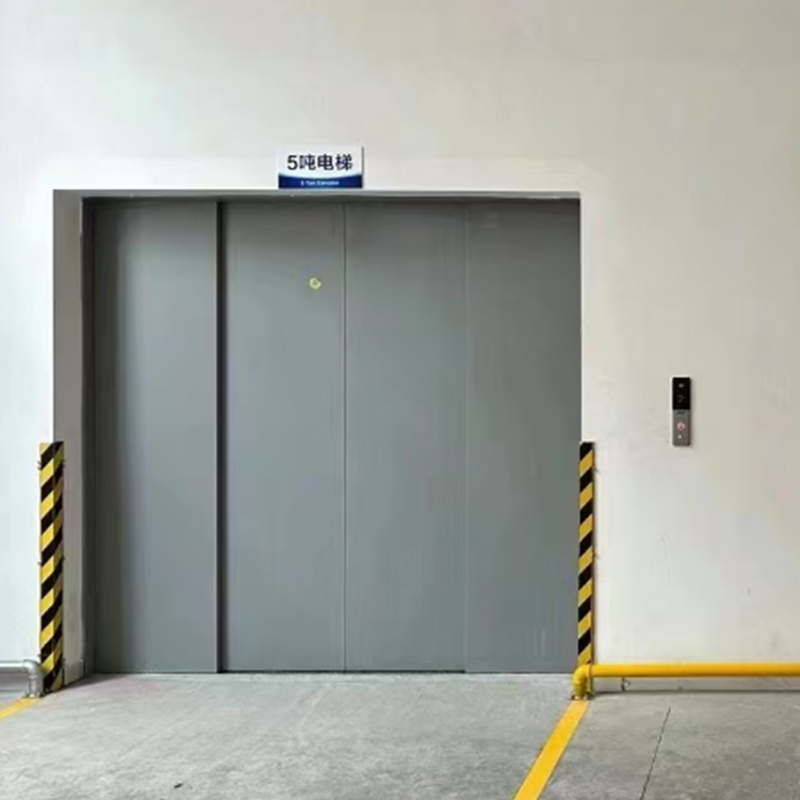
A Commercial Freight Elevator is a specialized vertical transportation system designed primarily for moving goods, equipment, and heavy materials rather than passengers. Unlike standard passenger elevators, freight elevators prioritize load capacity, durability, and operational stability in demanding commercial environments. These systems are commonly installed in warehouses, factories, logistics centers, retail backrooms, and mixed-use commercial buildings where efficient material flow is critical.
From a functional perspective, a commercial freight elevator is engineered with reinforced platforms, heavy-duty guide rails, and robust drive systems to handle repetitive, high-load operations throughout the day. Many modern solutions also integrate intelligent control systems, safety interlocks, and customizable cabin designs to adapt to different industries. With growing demand for vertical logistics efficiency, freight elevators have become an essential infrastructure component for businesses aiming to optimize space utilization and workflow.
- Designed for goods, pallets, carts, and industrial equipment
- Higher load capacity than passenger elevators
- Optimized for durability and frequent operation

Commercial Freight Elevator Basics
Understanding the fundamentals of a Commercial Freight Elevator helps decision-makers select the right configuration for their operational needs. These elevators are governed by strict safety and performance standards and can be customized based on load requirements, installation environment, and usage frequency. The core structure typically includes a reinforced car, industrial-grade doors, and a control system tailored for goods transport rather than comfort.
- Structural strength prioritized over aesthetics
- Flexible control options for logistics workflows
- Compliance with commercial safety regulations
What Defines a Commercial Freight Elevator
A commercial freight elevator is defined by its engineering focus on strength, stability, and reliability. These systems are not intended for passenger traffic, although some allow limited accompanying personnel under controlled conditions. Design considerations emphasize long service life, minimal downtime, and adaptability to different cargo types.
- Reinforced cabin floors and walls
- Industrial control logic
- Higher tolerance for impact and vibration
| Feature | Freight Elevator |
| Primary Purpose | Goods transportation |
| Design Focus | Strength and durability |
Typical Applications
Freight elevators are widely used across multiple commercial sectors. Their ability to move heavy or bulky items vertically makes them indispensable in facilities where horizontal transport alone is inefficient or impossible.
- Warehouses and distribution centers
- Manufacturing plants
- Retail storage and stockrooms
Commercial Freight Elevator for Warehouse Use
A Commercial freight elevator for warehouse use plays a strategic role in modern logistics operations. Warehouses increasingly rely on vertical storage solutions to maximize limited land resources. Freight elevators enable smooth movement of pallets, forklifts, and goods between floors, reducing manual handling and improving operational safety.
In warehouse environments, factors such as load consistency, operating frequency, and integration with material handling systems must be carefully evaluated. A well-designed freight elevator can significantly reduce loading times and improve inventory flow, directly impacting overall efficiency.
- Supports high-frequency logistics cycles
- Reduces labor intensity
- Improves safety and efficiency
Efficiency and Safety Considerations
Efficiency in warehouse freight elevators is closely tied to safety. Advanced systems incorporate overload protection, emergency stop mechanisms, and stable leveling to prevent cargo damage and accidents.
- Anti-slip cabin flooring
- Automatic leveling accuracy
- Emergency safety devices
| Consideration | Importance |
| Load Stability | Prevents cargo shift |
| Safety Systems | Reduces operational risk |
Small Commercial Freight Elevator Cost
The Small commercial freight elevator cost varies depending on several technical and environmental factors. Unlike standardized passenger elevators, freight elevators are often customized, which directly influences pricing. Businesses should evaluate cost not only as an upfront expense but as a long-term investment in operational efficiency.
Smaller freight elevators are particularly popular among retail facilities, restaurants, and light industrial buildings where space is limited but vertical transport is essential. Cost considerations should include installation complexity, structural modifications, and maintenance requirements.
- Initial equipment cost
- Installation and construction adjustments
- Long-term maintenance expenses
Key Cost Influencing Factors
Several core factors determine the total investment required for a small commercial freight elevator. Understanding these elements helps businesses plan budgets more accurately.
- Load capacity specifications
- Number of stops
- Indoor or outdoor installation
| Factor | Impact on Cost |
| Capacity | Higher capacity increases cost |
| Installation Type | Structural complexity affects pricing |
Commercial Freight Elevator Weight Capacity
Selecting the appropriate Commercial freight elevator weight capacity is critical for safety and efficiency. Capacity ratings typically range from several hundred kilograms to multiple tons, depending on application requirements. Overestimating or underestimating capacity can both lead to operational inefficiencies.
Businesses should assess their heaviest regular loads and consider future expansion needs. Proper capacity selection ensures compliance with safety standards and prolongs equipment lifespan.
- Light-duty for retail and food service
- Medium-duty for warehouses
- Heavy-duty for industrial plants
| Capacity Range | Typical Application |
| 500–1000 kg | Retail and small storage |
| 2000 kg+ | Industrial logistics |
Indoor Commercial Freight Elevator Installation
An Indoor commercial freight elevator installation requires careful coordination between equipment design and building structure. Indoor installations benefit from environmental protection but may face spatial constraints that demand precise planning.
Key considerations include shaft dimensions, floor load-bearing capacity, and compliance with building codes. Professional planning ensures smooth installation and reliable long-term operation.
- Structural assessment
- Shaft and pit requirements
- Installation timeline planning
| Requirement | Description |
| Shaft Space | Determines elevator size |
| Floor Strength | Supports maximum load |
Commercial Freight Elevator vs Passenger Elevator
Understanding the differences between a Commercial freight elevator vs passenger elevator helps building owners choose the right system. While both serve vertical transport needs, their design philosophies and regulatory requirements differ significantly.
- Freight elevators focus on load and durability
- Passenger elevators prioritize comfort and speed
| Aspect | Freight Elevator | Passenger Elevator |
| Primary Use | Goods transport | People transport |
| Design Priority | Strength | Comfort |
Professional Manufacturing and Engineering Capability
A reliable commercial freight elevator solution depends heavily on the manufacturer’s engineering expertise, production scale, and service network. Advanced facilities with strong research and development capabilities can deliver customized solutions for diverse commercial scenarios.
- Integrated R and D and manufacturing
- Advanced production technology
- Nationwide installation and service support
FAQ
What is the main purpose of a commercial freight elevator?
The primary purpose of a Commercial Freight Elevator is to transport goods safely and efficiently between floors in commercial and industrial buildings. It is designed to handle heavy loads and frequent use.
How much does a small commercial freight elevator cost?
The Small commercial freight elevator cost depends on capacity, installation conditions, and customization. Smaller systems generally offer a cost-effective solution for light commercial use.
What weight capacity should I choose?
Choosing the correct Commercial freight elevator weight capacity requires evaluating current and future load requirements. Proper capacity ensures safety and long-term efficiency.
Can a freight elevator be installed indoors?
Yes, Indoor commercial freight elevator installation is common and offers protection from environmental factors, provided structural requirements are met.
What is the difference between freight and passenger elevators?
When comparing a Commercial freight elevator vs passenger elevator, the key differences lie in load capacity, design focus, and regulatory standards.


-
 Founding Road, Qidu Linhu Economic Zone, Wujiang City, Jiangsu Province, China
-
 [email protected]
-
 +86 15301576876/+86 0512-63818375
QR CODE

