En
En English
 русский
 Español
 عربى
عربى
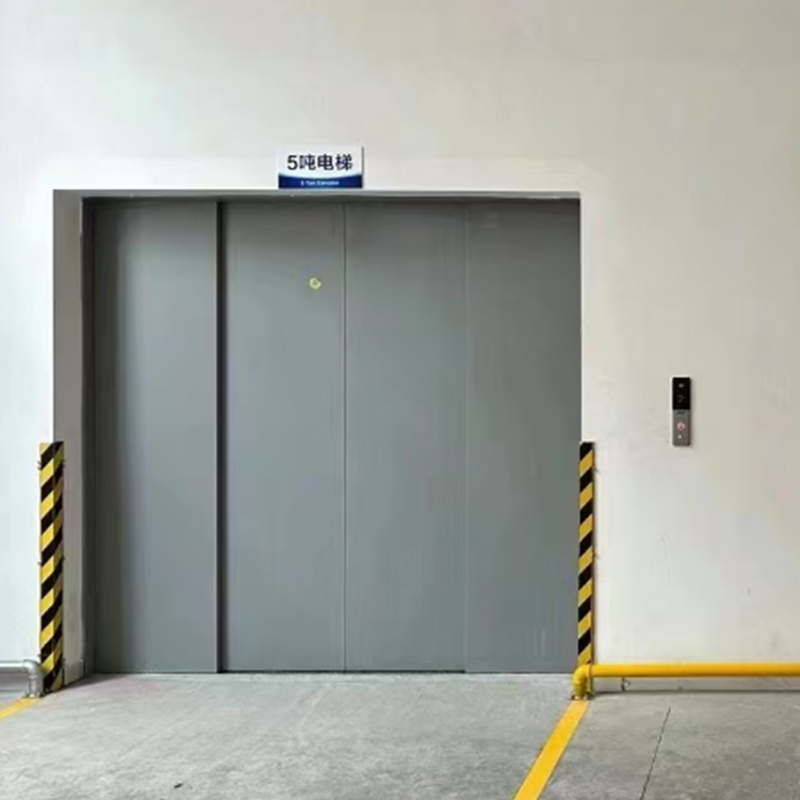
A Traction Freight Elevator is a cornerstone of modern vertical logistics. Unlike hydraulic systems that rely on fluid pressure, this type of elevator uses a system of ropes, a counterweight, and an electric motor to move the car. This design inherently lends itself to specific applications where speed, height, and energy efficiency are paramount.
This article explores the core use cases for traction freight elevators, providing the insights necessary to determine if this robust technology fits specific operational needs.
Core Principles Guiding Traction Freight Elevator Applications
Before identifying specific use cases, it is crucial to understand why a traction freight elevator is chosen for certain environments. Two fundamental capabilities dictate its primary applications:
- High-Speed Travel: Traction systems, particularly gearless designs, are capable of speeds significantly higher than hydraulic alternatives. They can easily reach speeds of 1.0 m/s or more, with some capable of operating at 2.5 m/s or beyond. This makes them ideal for buildings with multiple stories where speed of transport directly impacts operational efficiency. Gearless traction elevators, for example, can achieve 2.5 m/s or more, whereas geared traction units typically operate below this threshold.
- High-Rise Capability: Because the system uses a counterweight and relies on traction between the ropes and the sheave, travel height is not a limiting factor in the same way it is for hydraulic elevators (which are limited by piston length). Traction systems are suitable for low to high-rise applications, making them essential for vertical factories and multi-story warehouses.
These characteristics—speed and height—are the primary drivers for the application categories discussed below.
Primary Industrial and Commercial Applications
The unique capabilities of the Traction Freight Elevator translate into a broad range of applications across various sectors. The following table summarizes these core uses.
| Industry / Sector | Typical Application | Key Benefit of Traction System |
|---|---|---|
| High-Rise Warehousing | Moving pallets and goods between multiple storage levels (e.g., 10+ stories) | High speed & unlimited travel height |
| Automotive Manufacturing | Transporting vehicle parts, engines, and assemblies between production floors | Heavy load capacity + precise leveling |
| Food & Beverage Processing | Vertical movement of raw ingredients and finished products in multi-story facilities | Energy efficiency for continuous operation |
| Pharmaceutical Logistics | Moving sensitive materials and bulk supplies between cleanroom levels | Smooth operation, minimal vibration |
| Commercial High-Rise Buildings | Service elevators for maintenance, mail, and goods delivery | Speed and reliability for daily use |
| Distribution Centers | Connecting receiving docks to upper mezzanine storage | High duty cycle capability |
As the table indicates, the traction system is preferred wherever height, speed, and duty cycle are critical. This is in stark contrast to hydraulic elevators, which are typically limited to 4–5 stories and operate at lower speeds.
In-Depth Look at Major Use Cases
1. High-Rise Automated Warehouses
Modern warehousing increasingly adopts vertical storage to maximize floor space. A Traction Freight Elevator is the backbone of these systems, moving goods rapidly between ground-level receiving and upper storage floors. For example, an e-commerce fulfillment center operating 15-meter-tall racks relies on traction elevators to deliver inventory to pick stations. Unlike hydraulic lifts, which would struggle with the height and speed, traction units provide consistent cycle times of under 60 seconds for a 20-meter trip.
- Typical load: 2,000 – 5,000 kg
- Speed range: 1.5 – 2.5 m/s
- Key advantage: Regenerative drives reduce energy consumption by up to 30% compared to hydraulic.
2. Multi-Story Manufacturing Plants
In industries like automotive or heavy machinery, production often spans multiple floors. A traction freight elevator moves engines, transmissions, and body panels between stamping, welding, and assembly lines. The ability to handle heavy loads (often up to 5,000 kg) with precise floor-leveling is essential. For instance, a European truck manufacturer uses two gearless traction elevators to transport axle assemblies from the ground floor machining area to the third-floor assembly line, achieving a 40% reduction in material handling time compared to previous crane-based methods.
3. Food & Beverage Processing Facilities
These facilities frequently operate over several levels to separate raw material storage, processing, and packaging. A traction freight elevator offers a clean, oil-free operation (since no hydraulic fluid is used), reducing contamination risks. Moreover, the smooth acceleration and deceleration prevent spillage or damage to fragile items like bottled beverages. A North American beverage producer reported that switching to a traction system cut product damage by 15% and reduced overall energy costs by 22%.
4. Pharmaceutical Cleanroom Logistics
Pharmaceutical plants often have strict zoning requirements. A traction freight elevator can be configured with sealed car enclosures and stainless-steel finishes, meeting GMP (Good Manufacturing Practice) standards. These elevators transport bulk active ingredients and packaging materials between floors while maintaining strict environmental controls. The absence of hydraulic oil eliminates a potential contamination source, making traction the preferred choice for high-grade cleanrooms.
Why Choose Traction Over Hydraulic? – A Technical Comparison
To fully appreciate the application scope, it is helpful to see a direct comparison of key parameters. The table below contrasts traction and hydraulic freight elevators across operational dimensions.
| Parameter | Traction Freight Elevator | Hydraulic Freight Elevator |
|---|---|---|
| Maximum Travel Height | Over 100 meters (unlimited in practice) | Typically ≤ 20 meters (limited by piston) |
| Typical Speed | 1.0 – 3.0 m/s | 0.3 – 0.8 m/s |
| Energy Efficiency | High (regenerative drives available) | Moderate (oil pump runs continuously) |
| Maintenance Frequency | Lower (fewer wear parts) | Higher (seals, valves, oil changes) |
| Environmental Impact | No oil spills; lower carbon footprint | Risk of oil leaks; higher energy consumption |
| Best Suited For | High-rise, high-speed, continuous use | Low-rise, intermittent use, lower cost |
This comparison underscores that a Traction Freight Elevator is the clear choice for applications demanding height, speed, and sustainability. While hydraulic units may still be economical for 2‑story warehouses, any facility with more than 5 floors or requiring rapid throughput will benefit from traction technology.
Specialized Applications: Beyond Standard Logistics
Airport Baggage Handling: Many large airports use traction freight elevators to move luggage between tarmac level and sorting areas located several floors above. With duty cycles exceeding 500 trips per day, traction systems provide the durability and speed required to maintain on-time performance.
Data Center Construction: During the build-out of high-rise data centers, traction elevators transport heavy UPS batteries and cooling units to upper floors. Their precise levelling (within ±2 mm) ensures safe handling of delicate equipment.
Hospital Logistics: In large medical campuses, traction freight elevators move bulk supplies, linens, and food between basement storage and patient floors. The smooth ride reduces noise and vibration, which is critical near sensitive areas like operating theatres.
Frequently Asked Questions (FAQ)
Q1: What is the typical load capacity of a traction freight elevator?
Load capacities generally range from 1,000 kg to 5,000 kg, with some heavy-duty custom units capable of up to 10,000 kg. The choice depends on the specific application and building structural limits.
Q2: How does a traction freight elevator perform in extreme temperatures (e.g., cold storage)?
Special cold-room versions are available with heating elements for the motor and controller, and with lubricants rated for low temperatures. These are used in frozen food warehouses and can operate reliably at -20°C.
Q3: Is a machine room always required for a traction freight elevator?
Not necessarily. Machine-room-less (MRL) traction designs integrate the machine into the hoistway, saving space. However, for very high loads or speeds, a dedicated machine room is still recommended for easier maintenance.
Q4: Can a traction freight elevator be used outdoors?
Yes, with appropriate weatherproofing (IP54 or higher enclosures). They are often used in shipyards, ports, and external building facades for maintenance access, provided they are shielded from rain and corrosive environments.
Q5: What is the typical lifespan of a traction freight elevator?
With proper maintenance, a traction system can operate for 20–30 years. The ropes and sheave may require replacement every 8–12 years depending on usage, but the motor and controller often last the lifetime of the building.
Conclusion: Matching the Traction Freight Elevator to Your Needs
The Traction Freight Elevator is not a one-size-fits-all solution, but its application domain is clear: any facility that requires high-speed vertical transport over multiple stories, with heavy loads and continuous operation, will find traction technology superior. From automotive plants to high-rise warehouses, the system delivers reliability, energy savings, and longevity.
When evaluating your next freight elevator project, consider the travel height, required speed, expected duty cycle, and energy priorities. If your operation exceeds five floors or demands more than 1.0 m/s, a traction system is almost certainly the correct technical and economic choice.