Content
In the realm of modern architecture and high-end residential design, the elevator has evolved from a mere functional necessity to a statement of style and innovation. Among the various types available, the traction gantry sightseeing elevator stands out as a premium choice that marries cutting-edge engineering with visual appeal. This article provides a comprehensive technical and aesthetic comparison between traction gantry sightseeing elevators and traditional home elevator systems, exploring their design philosophies, operational mechanisms, space requirements, and overall value proposition.
Before comparing the two types, it is essential to understand the fundamental technology behind each system.
The traction gantry sightseeing elevator is a sophisticated system that combines the efficiency of a traction drive with a structural gantry design and panoramic cabin features. The traction drive uses a system of steel ropes and a counterweight, operated by an electric motor, to move the elevator car [citation:9]. The term "gantry" refers to the structural frame that supports the elevator car from the sides, providing stability and allowing for a more open cabin design. The "sightseeing" aspect is characterized by the use of glass panels, creating a transparent or translucent cabin that offers passengers panoramic views.
Traditional home elevators, often found in residential settings, are typically hydraulic elevators [citation:7]. These systems use a hydraulic piston to push the elevator car upwards, relying on fluid pressure to lift the load. While they are a common and reliable choice, they differ significantly from traction gantry systems in their operation and installation requirements.
The following table provides a detailed comparison between traction gantry sightseeing elevators and traditional hydraulic elevators, highlighting their key differences.
| Feature | Traction Gantry Sightseeing Elevator | Traditional Hydraulic Elevator |
|---|---|---|
| Drive Mechanism | Electric motor, steel ropes, and a counterweight | Hydraulic piston and fluid pump |
| Energy Efficiency | Highly efficient; uses less power due to counterweight balancing [citation:9] | Less efficient; consumes more energy, especially during ascent |
| Speed | Faster travel speeds; suitable for high-rise applications | Slower speeds; typically limited to lower-rise buildings |
| Space Efficiency (Shaft) | Requires less pit depth and overhead clearance due to machine-room-less designs [citation:6][citation:8] | Requires larger pit depth and more space for the hydraulic cylinder |
| Aesthetic Flexibility | High; allows for panoramic, glass cabins with diverse design options | More limited; typically features a standard, enclosed cabin |
| Architectural Integration | Excellent; can be integrated into glass shafts or steel structures [citation:6][citation:8] | Good; but requires a more traditional shaft layout |
| Safety Features | Equipped with speed governors, safeties, and emergency brakes [citation:2][citation:4] | Has safety valves but lacks some of the advanced safeguards of traction systems [citation:10] |
| Maintenance | Requires regular inspection of ropes, pulleys, and controls [citation:9] | Requires regular oil checks and hydraulic system maintenance |
| Installation Cost | Higher initial investment for advanced technology | Generally more cost-effective upfront |
| Long-Term Value | Energy savings and aesthetic appeal offer high long-term value | Cost-effective but with higher operational energy costs |
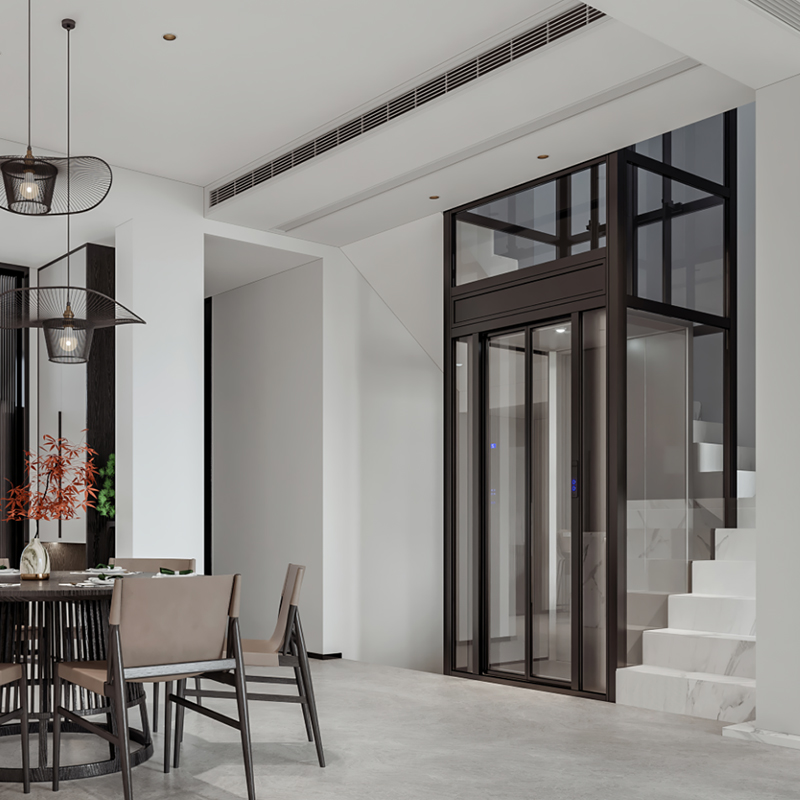
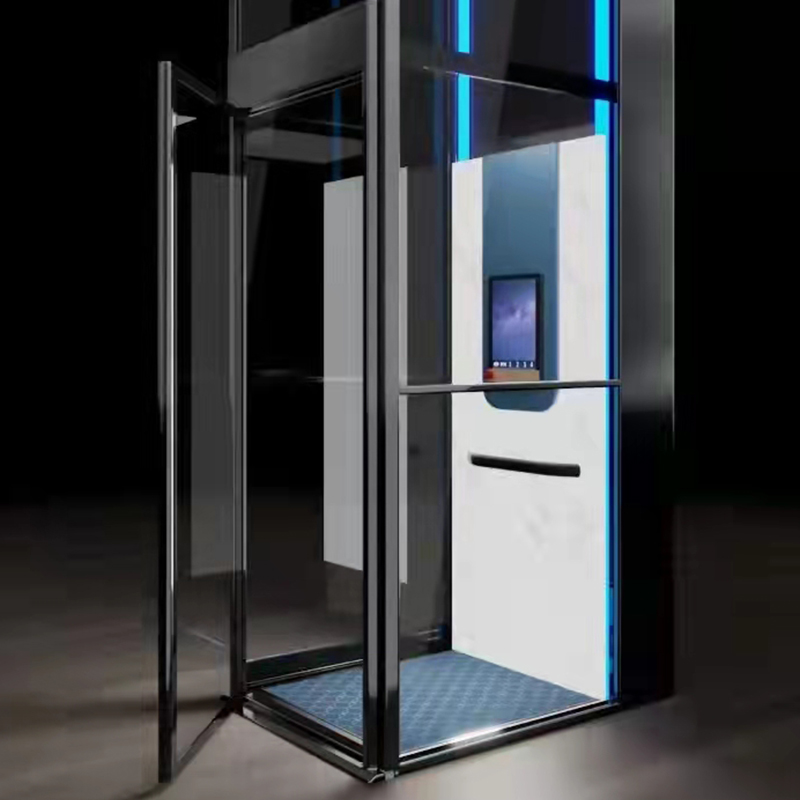
One of the most significant advantages of the traction gantry sightseeing elevator is its unparalleled design flexibility. The gantry frame supports the car from the sides, eliminating the need for a bulky counterweight frame that would obstruct the view. This design freedom allows for the creation of visually striking cabins that enhance the architectural character of a building.
Space efficiency is a critical consideration in home elevator installation. The traction gantry sightseeing elevator excels in this aspect due to its compact design.
When it comes to performance and safety, traction gantry sightseeing elevators offer several distinct advantages.
In conclusion, the choice between a traction gantry sightseeing elevator and a traditional hydraulic elevator depends on the project's priorities and constraints. For homeowners and architects seeking a blend of cutting-edge aesthetics, energy efficiency, and space-saving design, the traction gantry sightseeing elevator is the superior choice. Its ability to integrate seamlessly into modern architectural designs while providing a panoramic, luxurious experience makes it a standout option. While the initial investment may be higher, the long-term benefits in energy savings, performance, and visual appeal offer unparalleled value.
The main advantages are its energy efficiency, faster speed, and significantly enhanced aesthetic flexibility. The gantry design allows for panoramic glass cabins that can be customized to match any interior, making it a statement piece in a home or building.
Yes, they are highly space-efficient. Many models feature a machine-room-less (MRL) design and require a much shallower pit depth compared to hydraulic elevators. This makes them suitable for various residential configurations, including those with limited space [citation:6][citation:8].
Modern traction gantry elevators come equipped with multiple safety features, including speed governors, car safeties that engage during overspeed, emergency braking systems, and automatic rescue devices (ARD) [citation:2][citation:4][citation:6]. These features ensure passenger safety in all situations.
Yes, many modern traction gantry elevators are designed as machine-room-less (MRL) systems. The motor and drive mechanism are compact and can be housed in the hoistway itself, saving significant space and offering greater installation flexibility [citation:6].
Traction gantry elevators are considerably more energy-efficient. They use a counterweight system that offsets the weight of the car, reducing the energy required to lift it. This results in lower electricity consumption and operational costs compared to hydraulic elevators [citation:9].
Founding Road, Qidu Linhu Economic Zone, Wujiang City, Jiangsu Province, China
[email protected]
+86 17701557926/+86 0512-63818375